
A Complete Guide to Carpet Installation for Your Home
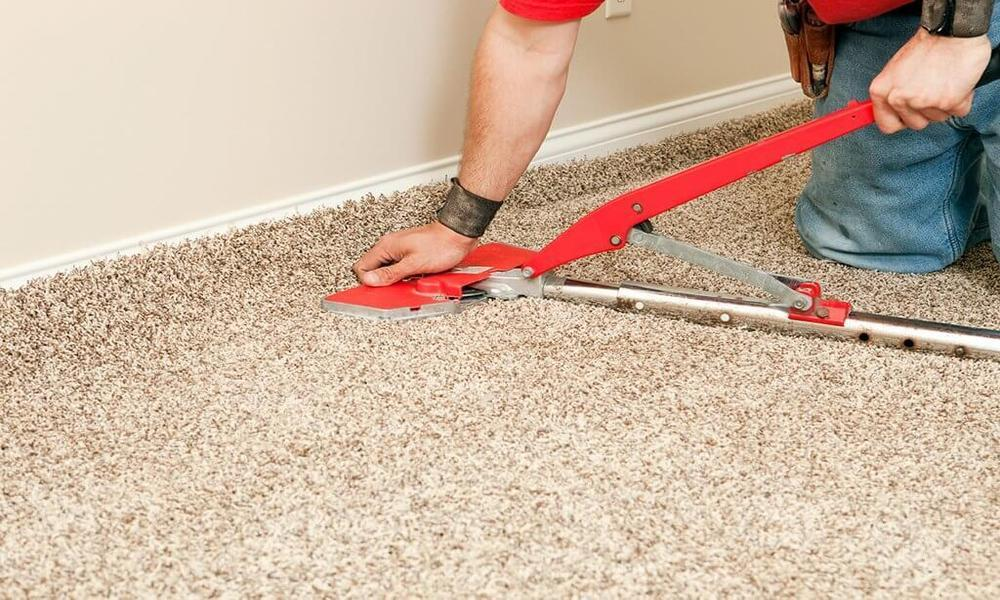
Carpet installation is one of the most effective ways to transform the look and feel of your home. Whether you’re updating a single room or replacing flooring throughout your entire house, new carpet brings warmth, comfort, and style to any space. However, achieving a professional, long-lasting result requires careful planning, proper materials, and expert installation techniques. Here’s everything you need to know about carpet installation.
Preparing Your Space for Installation
Before any carpet is laid down, preparation is key. Start by removing all furniture and ensuring the subfloor is clean, dry, and level. Any debris, moisture, or uneven surfaces can impact how the carpet sits and wears over time.
If you’re replacing old carpet, it will need to be removed along with the existing padding. This is also a good opportunity to inspect the subfloor for damage or squeaks that should be repaired before installation begins. Taking the time to properly prepare your space sets the foundation for a successful installation.
Choosing the Right Carpet and Padding
Selecting the right carpet is just as important as the installation process itself. Consider factors such as durability, texture, and color based on how each room is used. High-traffic areas benefit from durable fibers like nylon, while bedrooms may call for softer, plush options.
Equally important is the padding beneath the carpet. Quality padding provides cushioning, improves insulation, and helps extend the life of your carpet. Thicker padding may feel more comfortable, but it’s important to choose the correct density to match your carpet type and avoid premature wear.
Understanding Installation Methods
There are several carpet installation methods, but the most common is the stretch-in method. This involves securing the carpet to tack strips along the edges of the room and stretching it tightly across the floor. This technique helps prevent wrinkles and ensures a smooth, professional finish.
In some cases, glue-down installation may be used, particularly in commercial settings or basements. Each method has its advantages, but for most residential homes, stretch-in installation offers the best combination of comfort and durability.
The Importance of Accurate Measurements
Proper measurements are essential to avoid wasted material and ensure a seamless fit. Installers carefully measure each room, accounting for corners, closets, and irregular spaces. Carpet typically comes in large rolls, so planning how the material will be cut and laid out is critical.
Seams are sometimes unavoidable, especially in larger rooms, but skilled installers know how to place and conceal them for a clean appearance. Accurate measurements and planning help minimize seams and create a more polished result.
Professional Installation vs. DIY
While some homeowners may consider installing carpet themselves, professional installation is often the better choice. Carpet installation requires specialized tools, precise techniques, and experience to achieve a flawless finish.
DIY installation can lead to issues such as uneven surfaces, visible seams, or loose carpet that wrinkles over time. Hiring professionals ensures the job is done correctly the first time, saving you time, frustration, and potential repair costs down the road.
If you’re looking for reliable service, working with experts in carpet installation Noblesville can provide peace of mind and high-quality results that last for years.
Timeline and What to Expect
Carpet installation is typically a quick process, often completed within a day or two depending on the size of the project. During installation, you may notice some noise from tools and movement as the carpet is stretched and secured.
After installation, it’s normal for the carpet to have a slight odor, especially if it’s brand new. This usually dissipates within a few days with proper ventilation. You can begin walking on your new carpet almost immediately, but it’s best to wait a short period before placing heavy furniture back in the room.
Maintenance After Installation
Once your carpet is installed, proper maintenance will help keep it looking its best. Regular vacuuming removes dirt and debris that can wear down fibers over time. It’s also important to address spills quickly to prevent stains from setting in.
Scheduling professional carpet cleaning every 12 to 18 months can help maintain the appearance and extend the lifespan of your flooring. Using area rugs in high-traffic zones can also reduce wear and protect your investment.
Long-Term Benefits of Carpet Installation
Carpet offers several advantages beyond aesthetics. It provides insulation, helping to keep your home warmer in the winter and potentially reducing energy costs. It also absorbs sound, making your home quieter and more comfortable.
Additionally, carpet creates a safer environment by reducing the risk of slips and falls, especially for children and older adults. These benefits make carpet a practical and appealing choice for many homeowners.
Final Thoughts
Carpet installation is an investment that can dramatically enhance your home’s comfort and style. By choosing the right materials, preparing your space properly, and relying on experienced professionals, you can achieve a beautiful and long-lasting result.
Taking the time to understand the installation process ensures you make informed decisions and enjoy the full benefits of your new carpet for years to come.


