Elin Festivals Guide to Location, Guests, and Ticket info
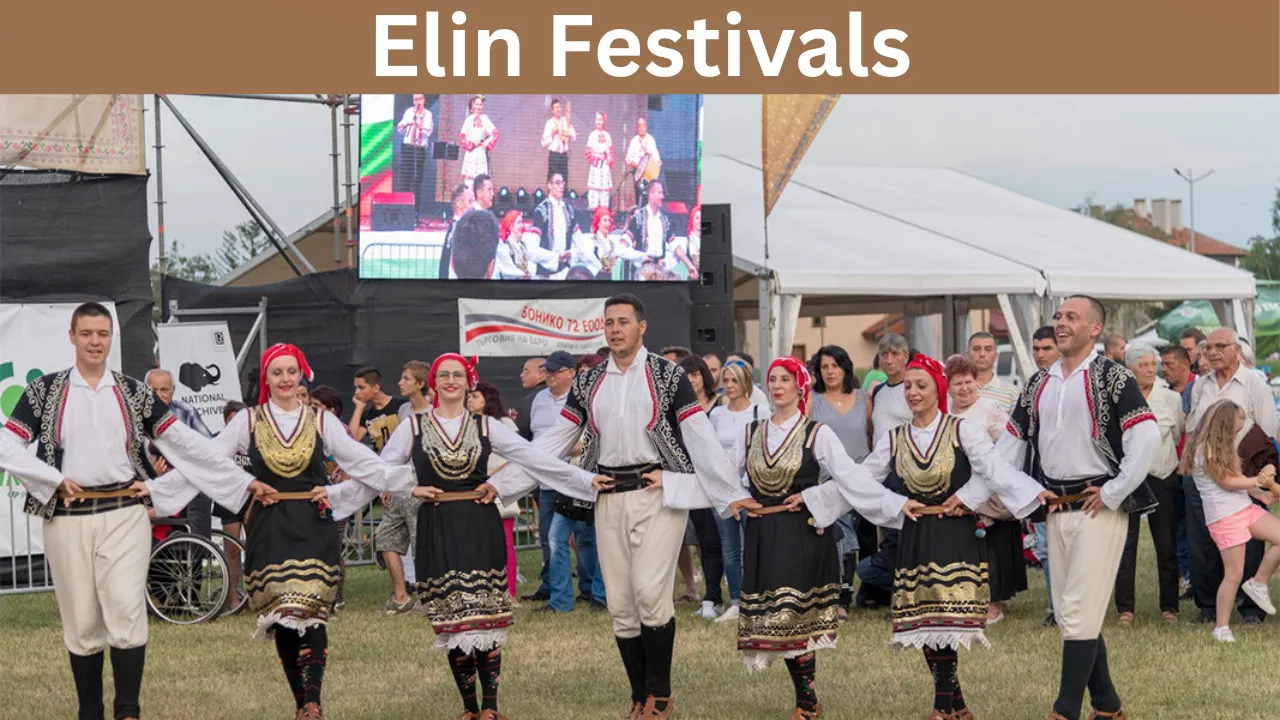
Festivals are an important part of human society because they bring people together. Some are spiritual, others are seasonal. Among these, elin festivals stand out because they combine culture, music, art, and history in one place. Travelers across the globe often compare their experiences with similar events they see on GoodMoodDotCom.com Travel Archives Shocking Travel Stories, where unique journeys and festivals are shared.
This article will take you through every detail about this festivals. You will learn their meaning, their location, who organizes them, and why they attract so many people. The information here is designed for easy understanding, clear insights, and helpful travel guidance.
What Type of Festival Is It?
Elin festivals are cultural celebrations that mix tradition, entertainment, and community bonding. These events are not only about music or art, but they also highlight seasonal changes, ancient beliefs, and modern creativity.
The festival theme depends on the location. Some this festivals highlight harvest traditions, while others celebrate myths or historical moments. They are known for bright decorations, lively performances, and special foods.
People attend because they want to celebrate joy, share time with family, and learn about traditions. Unlike one-day events, these festivals usually last several days, giving visitors enough time to explore.
Location of the Festival
Elin festivals are usually held in small towns, villages, and historical city centers. The exact location may vary, but they are often organized in areas with deep cultural roots.
The reason these spots are chosen is because they offer open grounds, old streets, and cultural heritage landmarks. These settings allow the festival to feel connected to both past and present.
Below is a table that shows examples of where festivals can take place:
| Festival Name | Location Type | Unique Setting |
|---|---|---|
| Moonsong Festival | Coastal town | Lanterns by the sea |
| Harvest Celebration | Farming village | Agricultural fields |
| Festival of the Dead | Port city | Old streets with lights |
| Holy Night Festival | Mountain town | Snow-covered houses |
Who Organizes This Festival?
The organization of elin festivals is handled by local councils, cultural boards, and community groups. In some places, temples or churches take part, while in others, it is entirely civic.
Organizers often include volunteers, artists, musicians, and food vendors. The involvement of the local population makes these festivals feel authentic and welcoming.
Government tourism boards sometimes step in to sponsor large versions of this festivals. They see them as a chance to promote tourism and highlight cultural pride.
Dates and Times
Elin festivals are seasonal events, meaning that their dates are tied to changes in weather, history, or traditional calendars. For example, harvest festivals are held in autumn, while moon festivals occur in spring.
The times usually match evenings when lanterns, lights, and music feel most magical. Day events also include parades, markets, and games. The duration can be two days, but bigger festivals can last for a week.
Here is a sample schedule that shows how this festivals may be planned:
| Festival | Typical Month | Duration | Time of Day |
|---|---|---|---|
| Moonsong Festival | March | 3 Days | Evenings |
| Festival of the Dead | June | 4 Days | Day and Night |
| Harvest Festival | September | 5 Days | Full Day |
| Holy Night Festival | December | 7 Days | Evening focus |
These dates are only examples because local culture determines the real timing.
Where to Buy Tickets?
Visitors often ask if they need to buy tickets for this festivals. The answer depends on the size of the event.
Smaller community gatherings are usually free and open to everyone. However, large events in big cities may require tickets for entry. Tickets usually cover concerts, food stalls, fireworks, and cultural shows.
Tickets can be bought through:
- Official festival websites
- Local tourism centers
- Authorized travel agents
Online platforms are increasingly popular because they allow people to book in advance. This ensures access, especially when the festival is world-famous and attracts thousands.
Below is a simple guide table:
| Event Size | Ticket Required | Price Range |
|---|---|---|
| Small village festival | No | Free |
| Medium town festival | Sometimes | $10–$30 |
| Large city festival | Yes | $40–$100 |
Performers at Elin Festivals
One of the main reasons people attend elin festivals is because of the performances. These festivals host a mix of local and international talent. Performers include:
- Folk musicians who use traditional instruments
- Dance groups that perform seasonal or mythical routines
- Street artists who paint, juggle, or create living statues
- Storytellers who share legends and history
- Modern bands who bring youthful energy
The diversity makes this festivals appealing to both young and old. They create a stage where tradition meets innovation.
Food and Drinks at Elin Festivals
Food is a major part of elin festivals. Special dishes are prepared only during these celebrations. Some examples are sweet pastries, roasted meats, and flavored drinks.
The food highlights seasonal ingredients. For example, autumn harvest festivals serve pumpkins, corn, and apples. Coastal events bring seafood to the center.
In addition to traditional meals, food stalls also serve quick snacks and street-style plates. Visitors enjoy these because they are cheap, tasty, and easy to carry while walking.
Here is a table of popular food types:
| Festival Type | Common Food | Drinks |
|---|---|---|
| Harvest Festival | Roasted corn, pies | Apple cider |
| Moon Festival | Sweet cakes, dumplings | Herbal tea |
| Winter Festival | Stews, bread | Warm cocoa |
| Coastal Festival | Grilled fish | Fruit drinks |
Music and Entertainment
Music is at the heart of elin festivals. Instruments like drums, flutes, and guitars bring energy to the crowd. Performances range from soft folk music to upbeat dance songs.
Entertainment also includes games, competitions, parades, and firework displays. Children enjoy puppet shows, while adults prefer concerts and storytelling.
Modern this festivals sometimes invite DJs and pop artists. This shows how the event has grown from local tradition to international fame. It keeps both the youth and elders engaged together.
Why Tourists Love Elin Festivals
Tourists enjoy elin festivals because they offer authentic cultural experiences. Unlike commercial shows, these festivals are rooted in community life.
Travelers take part in parades, taste new foods, and watch traditional performances. They also collect souvenirs from craft stalls. Such experiences remain unforgettable, which is why many tourists return every year.
One traveler described his journey as a mix of tradition and modern discovery, similar to how developers describe the Carbon Programming Language: An Experimental Successor to C++, which blends new tools with old structures. In the same way, this festivals balance old roots with modern joy.
How to Prepare for Elin Festivals
Preparation makes the festival experience better. Travelers should check dates early, book hotels in advance, and arrange transport.
It is wise to carry cash because not all vendors accept cards. Comfortable clothes and shoes are important since the events require walking and standing.
Visitors should also carry cameras to capture memories. Respect for local customs is very important. Many festivals are connected to religious or historical traditions.
Final Thoughts
Elin festivals are more than simple gatherings; they are living celebrations of culture, tradition, and unity. These events bring people together through music, dance, food, and shared stories. They also give travelers the chance to explore authentic traditions while supporting local communities.
Whether you attend for the performances, the food, or the cultural lessons, the experience leaves lasting memories. Tourists love the welcoming nature, while locals feel proud to share their heritage. With their mix of old customs and modern touches, this festivals continue to grow as symbols of joy and cultural pride.