How Power Boat Courses and Qualifications Make a Difference
There is a particular kind of confidence that comes from being at the helm of a fast boat in open water and actually knowing what you are doing. Not the confidence of someone who has driven a hire boat around a harbour on holiday — something more fundamental than that. The confidence of a skipper who reads the tide, understands what the wind is doing to the sea state, knows the collision regulations well enough to apply them instinctively, and can bring a boat alongside a pontoon in a cross-wind without drama. That level of competence is accessible to anyone willing to spend two days on the water with a qualified instructor. Most people have no idea how achievable it is.
Also Read: Pilot Swap Nightmare and What It Means for You
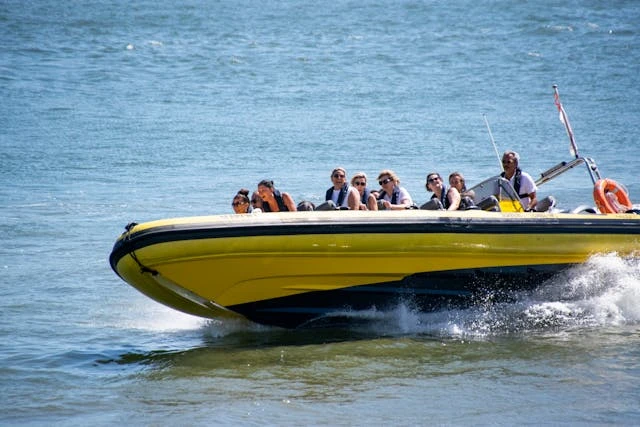
Power boat adventures in the UK tend to start as passenger experiences — a guided RIB trip along a stretch of coastline, a wildlife tour around a headland, a fast blast across a harbour. These are genuinely worthwhile and often the spark that makes people want to move from the passenger seat to the helm. The step between those two things is smaller than most people assume, and it begins with the right course.
What the UK Coastline Offers
The UK is an unusually good environment for powerboating, and that fact tends to surprise people whose mental image of British coastal waters runs to grey skies and mild drizzle. The south coast alone offers a range of conditions and destinations that professional powerboat instructors regularly describe as among the most varied in the world for a coastline of that length.
The Solent — the stretch of water between the mainland and the Isle of Wight — is one of the most navigated bodies of water in the world relative to its size. Its tidal complexity, shipping lanes, and concentration of recreational traffic create a real-conditions training environment that prepares skippers for almost anything. Poole Harbour, the second largest natural harbour in the world by surface area, provides sheltered inner water that transitions quickly to open sea and the Dorset coastline beyond — Old Harry Rocks, Lulworth Cove, and the Jurassic Coast’s limestone ledges all accessible by fast RIB in a way that no other mode of transport allows.
Plymouth sits between the Dart estuary to the east and the Tamar to the west, with direct access to the open sea and a concentration of wrecks, reefs, and coastal features that make it one of the most productive power boat adventure bases on the English coast. Scotland takes the whole proposition into a different register — the west coast from the Firth of Clyde through the Inner Hebrides to Cape Wrath covers some of the most dramatic and challenging coastal terrain in Europe, and the seamanship it demands is exactly what the RYA’s training structure is designed to build.
The RYA Power Boat Course Structure
The Royal Yachting Association’s National Powerboat Scheme is the UK’s recognised framework for powerboat training, and its qualifications carry weight internationally. The scheme runs from Level 1 through to the Advanced Powerboat certificate, covering everything from basic boat handling to commercial endorsement.
Level 2 is the core qualification and the starting point for most adults — a two-day practical course covering close-quarters handling, high-speed planing, man overboard recovery, collision regulations, passage planning, and basic engine management. No previous experience is required. Children aged 12 and over can join adult courses; those under 16 must be accompanied by a parent or guardian as a paying student. The Level 2 certificate is the basis for an International Certificate of Competence — the document most European countries require if you want to charter or skipper a boat abroad. Many centres run courses from £199 for the two days including equipment, making it one of the more cost-effective qualifications available in watersports.
The Intermediate course builds on Level 2 by introducing coastal passage planning, extended passages, tidal navigation, and pilotage in unfamiliar waters. Most centres use larger, more powerful RIBs for this course — 7.2-metre, 200-horsepower craft are standard at Solent training centres — which gives students meaningful experience in a boat with real performance.
The Advanced Powerboat course is the highest level of the scheme — two days covering night navigation, meteorology, extended coastal passages, and skippering in demanding conditions. Its commercial endorsement qualifies the holder to operate professionally up to 20 miles from a safe haven, covering the Category 3 commercial limit. It is the qualification required by superyacht tender drivers, water taxi operators, and most professional marine roles involving powerboat operation. Prerequisites include the Intermediate certificate, an RYA Yachtmaster Shorebased theory qualification, a VHF radio operator’s certificate, and a valid first aid certificate.
adventuro lists power boat adventures and power boat courses across the UK at adventuro.com — a straightforward way to compare RYA-recognised training centres by region and find what suits your experience level before committing.
The difference between a passenger and a skipper is two days on the water and the willingness to take the wheel. Everything else the coast offers follows from that.