Sauerkraut Festival Guide to Location, Guests, and Ticket info

Every town has its traditions, but few are as flavorful and widely celebrated as the sauerkraut festival in Waynesville, Ohio. This annual event transforms a quiet Midwest village into a bustling celebration of food, heritage, and community pride. What began as a small local dinner decades ago has grown into one of the largest food festivals in the country, attracting more than 350,000 visitors every year. With live entertainment, artisan crafts, and dishes both savory and sweet, this is a festival that captures the heart of anyone who attends. To make the information even more engaging, we will also connect it to broader cultural trends like DemonicScans org: Guide to the Popular Manga Platform.
What Type of Festival Is It?
The sauerkraut festival is a food and craft festival rooted in community tradition. At its core, it celebrates sauerkraut—fermented cabbage that has deep roots in German and Eastern European cuisine. Visitors taste sauerkraut in countless ways: classic brats topped with tangy kraut, sauerkraut pizza, egg rolls stuffed with kraut, even desserts like sauerkraut fudge and pies. What makes it unique is that the focus on food is paired with a massive display of artisan crafts. With over 450 booths lining Main Street, guests explore pottery, jewelry, woodworking, and handmade goods. The festival balances heritage and creativity, making it more than just a food fair.
Location of the Festival
This event takes place in the historic village of Waynesville, Ohio, along its charming Main Street. Located in Warren County, Waynesville is often called the “Antique Capital of the Midwest,” and its streets become a vibrant stage for the festival each October. The small-town setting adds to the event’s charm. Visitors enjoy both the festival and the unique shops, antique stores, and boutiques that Waynesville is known for. During the festival, the streets are closed to traffic, creating a pedestrian paradise filled with music, aromas, and colorful sights.
Who Organizes This Festival?
The Waynesville Area Chamber of Commerce is the official organizer of the sauerkraut festival. Behind the scenes, hundreds of volunteers and dozens of local organizations make it possible. Nonprofit groups, churches, and schools sponsor food booths, and their proceeds support scholarships, athletics, and community projects. The collaboration between businesses, civic groups, and residents is what gives the festival its warm, community-driven spirit. Without this teamwork, such a massive event would not be possible. The organizational effort also highlights how the festival is not just about food—it’s about giving back.
Dates and Times
The sauerkraut festival always takes place on the second full weekend of October. This tradition makes planning easy because visitors know exactly when to return each year. For 2025, the dates are:
- Saturday, October 11, 2025 – 9:00 AM to 8:00 PM
- Sunday, October 12, 2025 – 9:00 AM to 6:00 PM
These hours give plenty of time for guests to browse booths, enjoy food, and watch live performances. Because of the large crowds, many people arrive early to beat the rush, especially on Saturday morning when the festival first opens. Families often plan for both days, since the experience is impossible to take in all at once.
Where to Buy Tickets?
One of the most attractive aspects of the sauerkraut festival is that admission is completely free. Visitors do not need to buy tickets to enter or walk around. Costs only apply to food and purchases from craft vendors. This makes the event accessible for everyone, regardless of budget. Families can enjoy live music, cultural performances, and the festive atmosphere without spending a dime, though it’s hard to resist the smell of bratwurst, kettle corn, and fresh pies. For those traveling, parking lots may charge a fee, but entrance to the festival itself is always open and free.
Performers at Sauerkraut Festival

Entertainment is a cornerstone of the festival. Throughout the weekend, stages set up along Main Street feature live bands, folk dancers, and cultural performances. German music groups often perform polkas and traditional songs, keeping the European roots of sauerkraut alive. In recent years, acts like Heather Roush and Heartstrings and Jessie Lyn TNT Band have filled the air with country, folk, and bluegrass sounds. Local high school groups, dance troupes, and regional performers also add variety. This lineup creates a constant flow of entertainment, giving visitors reasons to pause between food stops and shopping excursions. The performers add life and rhythm to the celebration.
History and Growth of the Festival
This festival began in 1970 as a modest sidewalk sale organized by Waynesville merchants. That first year, just 528 pounds of sauerkraut were served to a crowd of about 1,500 people. It was a success, and the idea quickly expanded. By the mid-1970s, attendance grew into the tens of thousands. By the 1980s, more than 100,000 people attended, and today the number has swelled to around 350,000 visitors annually.
The festival now requires tons of sauerkraut and draws vendors from across the country. With over 450 craft booths and around 30–60 food stands, the event has become a major draw not only for locals but for tourists nationwide. Despite its growth, the event still holds onto the small-town feel that made it special in the first place.
Things to Do at the Festival
Eating is the most popular activity at the sauerkraut festival, and the variety is staggering. Classic bratwurst with kraut is always in demand, but adventurous eaters seek out sauerkraut pizza, pierogi, cabbage rolls, and sauerkraut soup. Dessert lovers find sauerkraut fudge, bread, and pies that surprise them with sweet and tangy flavors.
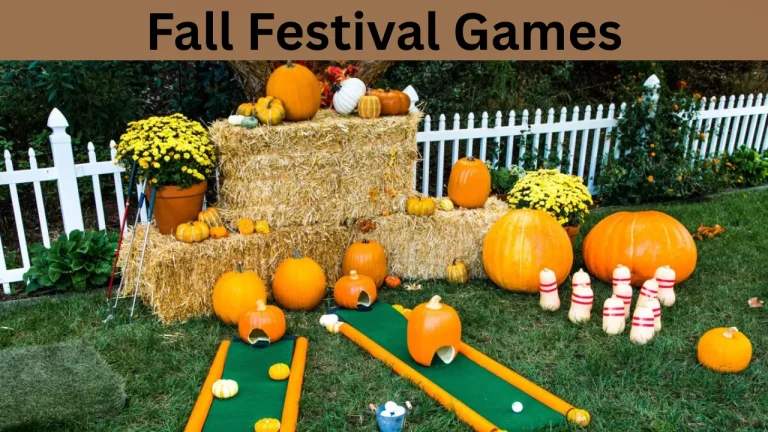
Beyond food, shopping is a huge draw. With hundreds of craft vendors, visitors find everything from hand-carved wood to woven baskets and artisan soaps. Live demonstrations sometimes show how crafts are made, making it an educational experience. Children enjoy the festive energy, contests, and family-friendly games. Every corner of Main Street holds something new to discover.
What to Know Before You Go
Planning ahead ensures the best experience. Comfortable shoes are essential, since visitors walk for hours exploring booths. The October weather in Ohio can be unpredictable, so layering clothes is smart. Parking fills quickly, and some lots charge fees, so early arrival is recommended. Cash is useful because while many vendors accept cards, some do not. Visitors should also check the entertainment schedule in advance so they can see favorite performers. With so much to do, a little preparation makes the day smoother and more enjoyable.
For modern visitors, capturing and sharing memories is part of the fun. Social platforms are filled with festival photos showing bratwursts, crowds, and unique crafts. Tools like Gramhir.pro AI: Guide to This Powerful Image and Instagram Tool help festival-goers edit, optimize, and post their experiences. By sharing pictures online, visitors spread the energy of the festival far beyond Waynesville. This digital aspect keeps the event alive long after October ends.
Why the Festival Stands Out
The sauerkraut festival has endured for more than five decades because it combines tradition and creativity. Few events offer such a wide mix of food, culture, and shopping in a welcoming small-town setting. It is also unique in how it brings together people of all ages and backgrounds. Children enjoy the fun atmosphere, adults indulge in food and crafts, and everyone benefits from the sense of community. The fact that admission is free makes it one of the most inclusive festivals in the country. It is a rare event that balances local heritage with wide appeal.
Conclusion
From its modest beginnings in 1970 to its massive scale today, the sauerkraut festival in Waynesville, Ohio, has grown into a beloved annual tradition. It honors heritage, supports community causes, and delights visitors with endless food and entertainment. With free admission, convenient timing each October, and a welcoming small-town charm, it has become one of America’s great fall festivals. If you are looking for an experience that combines history, culture, and plenty of sauerkraut, this event should be at the top of your travel list.