
The History Behind Your Vintage Toys
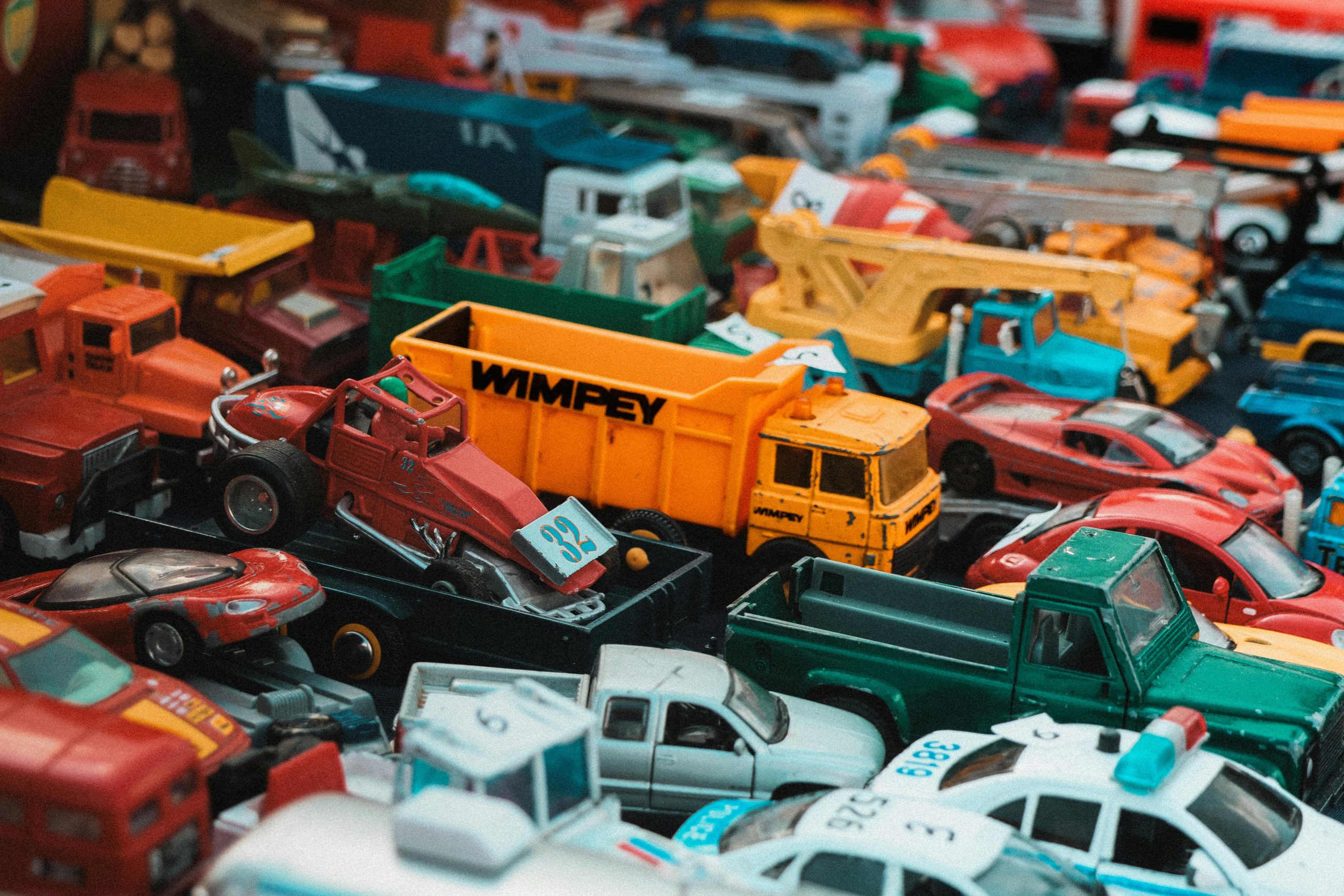
Vintage toys hold a special place in our collective memory, serving as tangible connections to childhood wonder and simpler times. These cherished playthings tell stories that extend far beyond their original purpose, reflecting the cultural, technological, and social landscapes of their eras. From tin windup robots to action figures that defined generations, vintage toys have evolved from mere entertainment objects into valuable collectibles that command serious respect in auction houses and private collections worldwide. Understanding the history behind these beloved items enriches our appreciation for their craftsmanship, design innovation, and cultural significance. Each toy represents a snapshot of the past, capturing the hopes, fears, and imaginations of the society that created it, making them far more than simple playthings.
The Golden Age of Toy Manufacturing
The post, World War II era, marked a transformative period in toy manufacturing, as returning soldiers started families, and economic prosperity fueled unprecedented consumer spending. During the 1950s and 1960s, American toy companies experienced explosive growth, introducing revolutionary materials like plastic that made toys more affordable and accessible to middle-class families. This period saw the birth of iconic brands and toy lines that would define childhood for multiple generations. Companies invested heavily in advertising, particularly through the emerging medium of television, which created direct marketing channels for children and fundamentally transformed how toys were promoted and sold.
Action Figures and the Rise of Character-Based Toys
The 1960s and 1970s witnessed a genuine paradigm shift in toy design with the introduction of action figures that brought television and comic book characters into children’s hands. These three-dimensional representations of heroes and villains created new play patterns that emphasize storytelling and imagination rather than simple mechanical functions. The success of early action figure lines demonstrated that children craved toys that connected to larger narratives and fictional universes, ultimately spawning an entire industry built around character licensing and cross-media promotion. Manufacturers discovered that creating families of characters with distinct personalities and backstories encouraged children to collect entire sets rather than purchasing single items.
Sports Entertainment Collectibles and Wrestling Memorabilia
The intersection of sports entertainment and toy manufacturing created a unique category of collectibles that captured the larger-than-life personalities of professional wrestling. During the 1980s and 1990s, wrestling figures became cultural phenomena, reflecting the mainstream popularity of wrestling promotions and their colorful, unforgettable characters. These toys weren’t simply generic athletes but carefully crafted representations of specific performers, complete with signature moves, costumes, and accessories that fans immediately recognized from television programming. The attention to detail in wrestling figures helped establish them as serious collectibles rather than disposable playthings, with early examples now commanding significant prices in the secondary market. For collectors seeking to build or complete their collections from this era, wwf figures for sale through specialized dealers provide access to authenticated pieces from wrestling’s golden age. Manufacturers produced multiple series and variations, creating natural scarcity that fueled collector interest and robust trading activity among enthusiasts. The cultural impact of professional wrestling during this era meant these toys served as both entertainment products and cultural artifacts documenting a specific moment in popular entertainment history.
Preservation and Value in the Collector’s Market
The transformation of childhood toys into valuable collectibles represents a fascinating economic and cultural phenomenon that emerged in the late twentieth century. Condition became absolutely paramount in determining value, with unopened packages commanding premium prices as collectors sought pristine examples untouched by play wear. Documentation, including original packaging, instruction sheets, and promotional materials, significantly enhances a toy’s collectible value and historical significance, sometimes doubling or tripling its worth. The internet revolutionized toy collecting by creating global marketplaces where enthusiasts could connect, trade, and share knowledge about obscure variations and production details.
Manufacturing Techniques and Material Evolution
The materials and manufacturing processes used to create vintage toys reveal fascinating insights into industrial capabilities and safety standards of different eras. Early tin toys demonstrated impressive craftsmanship with lithographed designs and intricate mechanical movements that required skilled labor to produce, each piece a small work of functional art. The transition to injection-molded plastics in the mid-twentieth century democratized toy production while introducing new possibilities for color, detail, and durability that tin couldn’t match. Different plastic formulations from various decades have unique aging characteristics, with some becoming brittle while others maintain surprising flexibility and color saturation decades later.
Cultural Impact and Nostalgia Economics
Vintage toys serve as powerful emotional touchstones that connect adults to formative childhood experiences and shared generational memories. The phenomenon of nostalgia for collecting accelerated in the 1990s when the first generation raised with mass-produced toys reached adulthood with disposable income and a desire to reconnect with their past. These collectors sought to recapture lost childhoods by acquiring mint examples of toys they once played with or coveted but couldn’t afford when they were young. The emotional value attached to these objects often exceeds their objective worth, creating market dynamics driven by sentiment as much as scarcity or rarity.
Conclusion
The history behind vintage toys encompasses far more than simple manufacturing timelines and market trends. These objects represent the intersection of industrial innovation, popular culture, childhood development, and economic forces that shaped multiple generations in profound ways. Whether viewed as investments, historical artifacts, or sentimental treasures, vintage toys continue to fascinate collectors and casual enthusiasts alike. Their enduring appeal demonstrates that well-designed playthings transcend their original purpose to become cultural touchstones worthy of preservation and serious study.