
5 Things You Must Do After a Car Accident in California
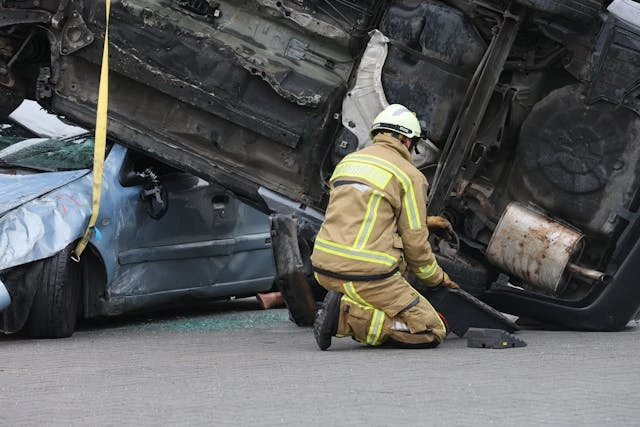
Did you know that California ranks second in the nation for traffic fatalities? Los Angeles County is ranked first in the state, with the highest number of fatalities. Speeding contributes to over 30% of all fatal crashes, followed by DUI and distracted driving.
Also Read: Maximalism as Minimalists: The Power of the Acrylic Mirror Sheet
Car accidents can happen unexpectedly, leaving drivers shaken and unsure of what steps to take next. In California, knowing what to do immediately after a crash is essential not only for your safety but also for protecting your legal rights and insurance claims.
When you understand what to do after a car accident in California, your safety will be assured while your rights remain protected. You will also find it easier to handle upcoming insurance and legal processes.
When reporting the accident, make sure to seek medical attention and document all evidence to increase the chances of success for the case.
Your actions after the accident will determine how all events will progress. So, what are these crucial actions you must take after a car accident in California? Let’s find out!
Seek Medical Attention Immediately
DUI lawyer Kevin Raudt advises people who experience car accidents to obtain immediate medical treatment because it protects their health and helps them identify any injuries. Some injuries are hidden and can only be understood afterward once they become visible to the person concerned. The person needs to go to a doctor who can determine if there are internal injuries or hidden medical conditions in the body.
In seeking medical assistance, there is a need to provide detailed information about all symptoms, even the minor ones. Any information about symptoms will assist a health provider in diagnosing a hidden medical condition accurately.
The patient must make sure to undertake all recommended checkup visits and requisite treatment procedures for his/her progress.
Document the Accident Scene
When documenting the accident scene, you need to collect all essential information and all evidence that will support your documentation and your future insurance claim.
Start the process, which begins with taking photographs of the vehicles, which shows all existing damages together with the complete view of the area and the current road conditions and all traffic signs and signals that are present. All skid marks, together with all debris and all other elements that contributed to the accident, must be photographed.
The documentation requires you to record vehicle locations together with their license plate numbers and all pertinent street signs and nearby landmarks that will identify the accident site. The accident report requires you to document the date and time together with the weather conditions that existed at the time of the accident. The accident scene diagram provides a visual representation of the accident events that occurred at the location.
Exchange Contact and Insurance Information
In California drivers must exchange their contact details and insurance information with each other after a car accident. The insurance company requires this step to process your claims without any delays.
Begin by sharing your complete name together with your contact telephone number and home address and details about your insurance coverage. It is necessary to correctly record the license plate number, model, and create information from the other party. Then drivers must exchange phone numbers with any other passenger involved in the accident who was from the other vehicle.
During this exchange you must stay composed while treating others with respect. The blame game should not start here because this is the time for proper information exchange. The process needs you to exchange essential details with your partner.
You should also get the contact information of the witnesses if there are any. This can be advantageous if there are discrepancies later on as to the recollection of events.
Notify the Authorities and File a Report
California law requires drivers to contact authorities after any vehicle crash they experience. The authorities need to be contacted because even the smallest accidents require police involvement. In California, the reporting of accidents must be done quickly. Drivers should report to either the California Highway Patrol or to the authorities of the local police department. The police will reach the accident scene, assess the situation, and have the damage officially documented.
While you are speaking with the authorities at the sight of the accident, provide them with clear, concise, and truthful information about the accident. This includes the accurate details on where the accident took place, at what time it took place, and what of the circumstances led to the cause of the accident.
You must obtain the police report, as it will serve as your personal documentation. The report will help you during your interactions with insurance providers and when you need to handle legal issues.
Contact Your Insurance Company
To begin the processing of a claim, one needs to get in touch with the insurer. Prepare details of how the incident happened and all the parties involved. The insurer will guide you through the next steps and will prefer a list of documents to be handed over to them.
When telling the insurer about the history of the accident, make sure the details are accurate. You should supply any information that is beneficial to understanding the claim. Remember that, when honest and cooperative concerning incident details with the insurer and the adjuster, the claims process may be expedited. Remember that the insurance company is in your corner and has your best interest at heart at all times.
Conclusion
You need to complete specific steps after your car accident in California to protect yourself and your legal rights while you proceed with your claims process. Your case outcome will improve when you take immediate steps after an accident.
The best choice after you sustain injuries in an accident is to contact a car accident lawyer who will help you hold the at-fault driver responsible while you receive your rightful compensation.