
Japan’s Must-See Wonders: Top 10 Highlights for First-Time Travelers
Japan rewards first-time visitors with a density of experience that few countries match – ancient temples next to neon-lit streets, rural train lines through cedar forests, food that takes decades to master served from a counter with six seats. These ten highlights give you a working map of where to start.
Japan rewards first-time visitors with a density of experience that few countries match – ancient temples next to neon-lit streets, rural train lines through cedar forests, food that takes decades to master served from a counter with six seats. These ten highlights give you a working map of where to start.
1. Tokyo
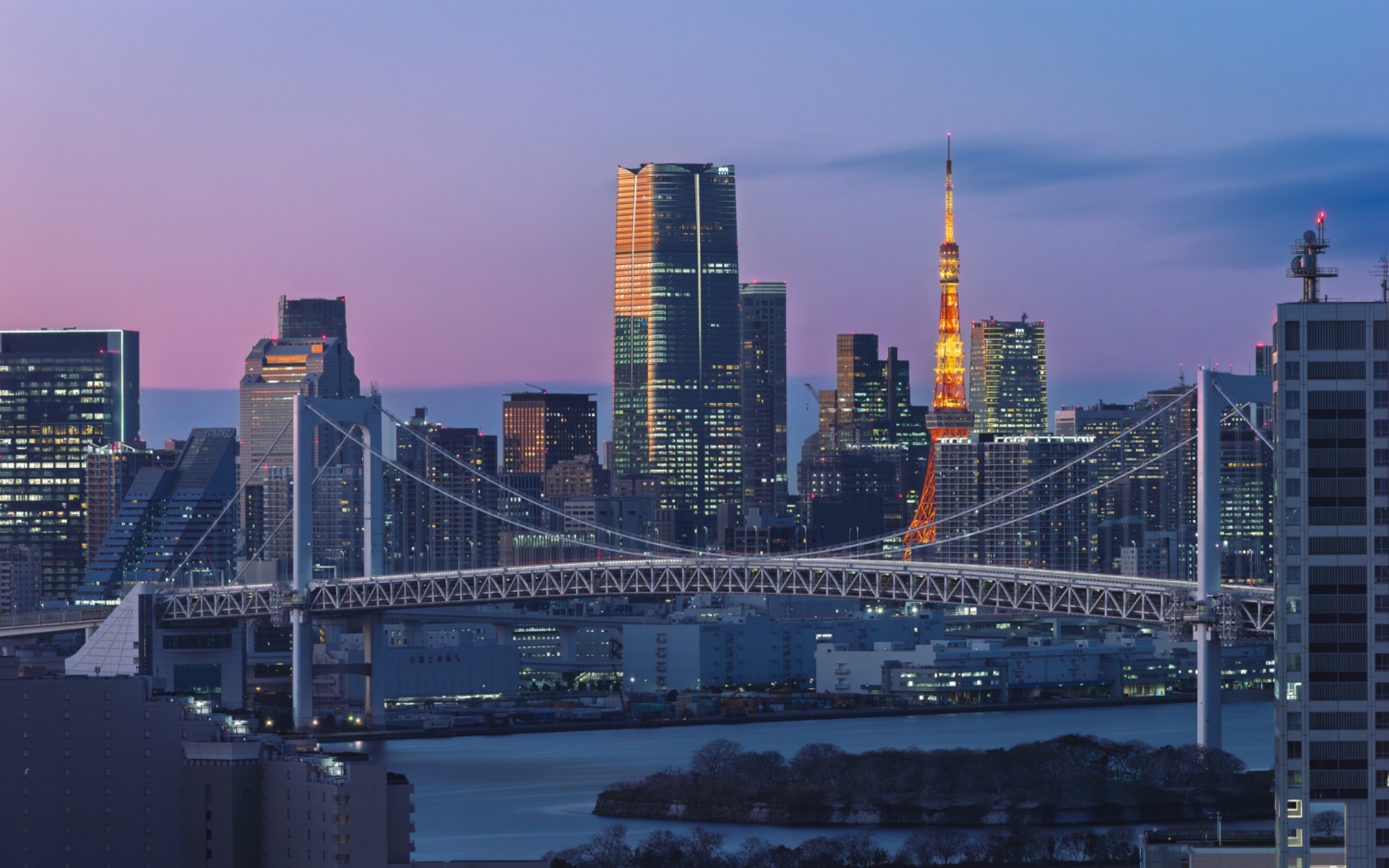
Tokyo is where most first-time visitors land, and the instinct to treat it as a transit stop before heading somewhere older is understandable but worth resisting. The city is enormous – officially the most populous metropolitan area in the world – but it organises itself into distinct neighbourhoods that each have their own character. Shinjuku and Shibuya operate at full urban intensity, while Yanaka in the northeast feels like a pre-war Tokyo that survived the bombing largely intact, with narrow lanes, small shrines, and independent shops that have been in the same families for generations. The observation decks at the Tokyo Skytree or the Metropolitan Government Building give you the scale of the city at a glance; after that, the best approach is to pick a neighbourhood and walk it slowly.
2. The Shinkansen Network
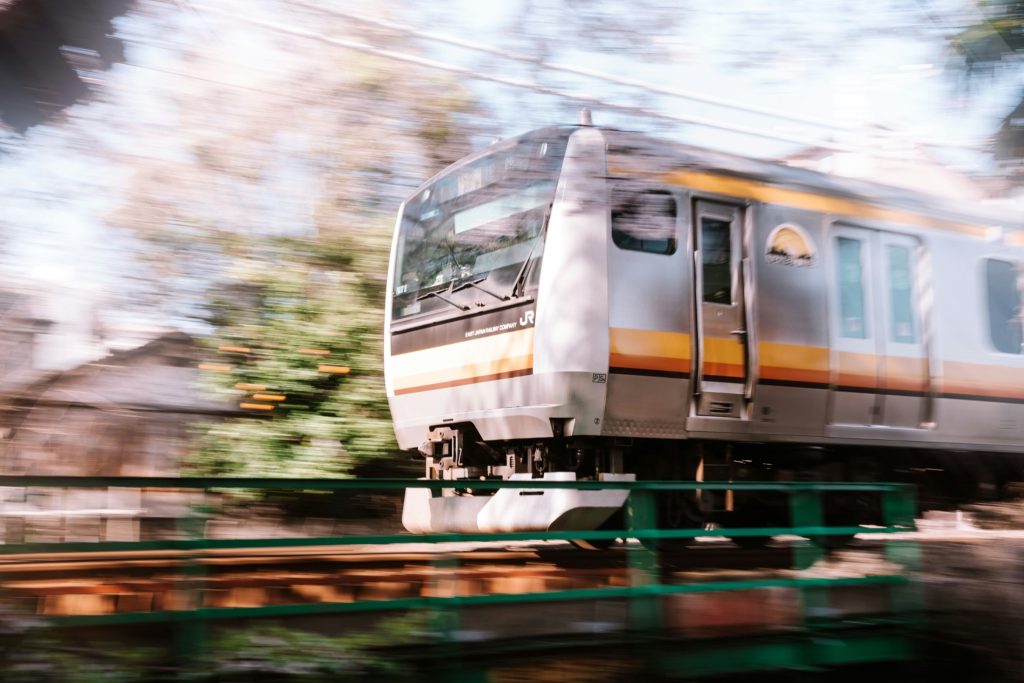
Moving between Japan’s major cities is one of the most functional pleasures of the trip. The Tokyo to Osaka train on the Tokaido Shinkansen takes around two hours and thirty minutes and passes close to Mount Fuji on clear days – sit on the right side heading west for the best view. The broader shinkansen network covers most of the main island of Honshu and connects to Hokkaido in the north and Kyushu in the south. Trains run on time to a degree that still surprises visitors who haven’t been, and the combination of speed, comfort, and frequency makes flying between cities feel unnecessary. A Japan Rail Pass, purchased before departure, covers most of the network for a fixed price and pays for itself quickly on longer itineraries.
3. Kyoto
Kyoto held the role of Japan’s imperial capital for over a thousand years and the concentration of temples, shrines, and traditional districts reflects that. The train from Tokyo to Kyoto takes just over two hours on the Nozomi shinkansen; from the station, most of the city’s main sites are accessible by bus or bicycle. The Higashiyama district in the east of the city is where the traditional streetscape is best preserved – the lanes between Kiyomizudera temple and Yasaka Shrine run through wooden townhouses converted into craft shops and tea rooms, and on weekday mornings before the tour groups arrive it’s genuinely quiet. Fushimi Inari, the shrine with thousands of vermilion torii gates winding up the mountain behind it, is the most photographed site in Kyoto; go early or go late, because midday in summer is both hot and crowded.
4. Nara
Nara sits 45 minutes from Kyoto by train and is manageable as a day trip, though it rewards staying overnight. Todai-ji temple contains a 15-metre bronze Buddha that is still the largest in Japan despite being cast in 752 AD. The deer that roam the park surrounding it are a different matter entirely – around 1,200 of them move freely through the grounds, largely indifferent to people, and the combination of ancient architecture and semi-wild animals in the same space creates an atmosphere that doesn’t feel replicated anywhere else. The old city of Nara-machi south of the park is less visited than Higashiyama in Kyoto and has a slightly rougher, more lived-in quality that makes it interesting to wander.
5. Hiroshima and Miyajima
Hiroshima is a working city with a history that every visitor brings with them before arriving. The Peace Memorial Museum handles the events of August 6, 1945 with a directness and lack of sentimentality that makes it one of the most affecting museum experiences in Japan. The A-Bomb Dome, the skeletal remains of the Industrial Promotion Hall that was directly below the detonation, stands in a park along the river and the city has grown around it rather than away from it. Miyajima island is 30 minutes from central Hiroshima by tram and ferry; the floating torii gate of Itsukushima Shrine, standing in tidal water, is one of the most iconic images in Japanese tourism and holds up in person.
6. Osaka
Osaka’s reputation as Japan’s food city is earned. Dotonbori, the canal district where restaurant signs compete for the most aggressive visibility, is genuinely fun for an evening even if it’s not the place to eat the best food – for that, the covered shopping streets of Kuromon Market or the izakayas around Namba and Shinsaibashi are more reliable. Osaka Castle is a Meiji-era reconstruction of a 16th-century original and the interior is a museum, but the stone foundations and the moat give a sense of the original scale. The city also has a different social temperature from Tokyo – louder, more direct, quicker to talk to strangers – which takes some adjustment if you’ve arrived via the capital.
7. Hakone
Hakone sits in Kanagawa Prefecture around 80 kilometres southwest of Tokyo and is the most accessible mountain escape from the capital. The area organises itself around a loop of transport options – train, cable car, ropeway, and lake ferry – that can be combined in a single day or used as the basis for an overnight stay. On clear days, which in summer are less frequent than the tourist brochures imply, Mount Fuji is visible across the lake from the ropeway. The Hakone Open Air Museum has a permanent collection of large-scale sculpture set in grounds that work as a park regardless of your interest in the art. Several of the traditional ryokan inns in the area have outdoor hot spring baths that are the specific experience most visitors come for.
8. The Japanese Alps
The Nakasendo, one of Japan’s historic highway routes, once connected Kyoto and Tokyo through the mountains of central Honshu. The section between the post towns of Magome and Tsumago in the Kiso Valley is the most accessible and best-preserved stretch, running for around eight kilometres through cedar forests and past farmhouses that have barely changed since the Edo period. The walk takes three to four hours at a comfortable pace and ends at a village with no vending machines or visible overhead cables – a condition maintained by local ordinance. The Matsumoto basin to the north has its own castle, one of the few surviving originals in Japan, with walls that turn white in winter against the mountain backdrop.
9. Hokkaido
Japan’s northernmost main island receives fewer international visitors than Honshu and operates at a different pace. Sapporo is the main city and worth a day, but the reason to come to Hokkaido is the landscape – national parks covering volcanic terrain, wetlands, and coastline that looks nothing like the rest of the country. Shiretoko Peninsula in the far east is UNESCO-listed and home to brown bears, Steller’s sea eagles, and drift ice in February. The Furano valley in central Hokkaido is where most of Japan’s lavender is grown and the fields in July draw photographers from across the country. The food in Hokkaido – dairy products, crab, lamb, corn – is different from the rest of Japan in ways that make eating there feel like a separate discovery.
10. Kanazawa
Kanazawa on the Sea of Japan coast is often described as Kyoto without the crowds, which undersells it while getting the point across. The city escaped wartime bombing and its geisha districts, samurai quarters, and temple complex have survived largely intact. Kenroku-en garden is one of three gardens traditionally ranked as the finest in Japan and the grounds are large enough that even in cherry blossom season it doesn’t feel compressed. The 21st Century Museum of Contemporary Art sits at the edge of the old city and houses a permanent collection of work by James Turrell, Leandro Erlich, and others that regularly stops people in the middle of a gallery. Kanazawa is also where most of Japan’s gold leaf is produced, and the craft shops in the Higashi Chaya district sell work that reflects centuries of accumulated technique.
Conclusion
Japan’s ten highlights could fill an itinerary twice over, and most first-time visitors leave with a list of places they didn’t reach. That’s not a failure – it’s how the country operates. Give the places you do visit more time than you think they need, use the train network as much as possible, and accept that some of the best things you encounter won’t be on any list.