Gorilla tours and Gorilla Tour Packages – Rwanda and Uganda
Gorilla tourism is one of Africa’s most remarkable conservation success stories, and Rwanda and Uganda sit at the heart of it. Together with the Democratic Republic of Congo, they’re the only three countries on Earth where mountain gorillas survive in the wild, living in the misty, high-altitude forests of the Virunga Massif and the Bwindi Impenetrable Forest. What began decades ago as a fragile population teetering on the edge of extinction has become a thriving eco-tourism industry that now funds the very protection keeping these gorillas alive.
Rwanda: Volcanoes National Park
Rwanda’s gorilla trekking happens almost entirely in Volcanoes National Park, tucked into the northwest of the country along the base of the Virunga volcanic chain, a two-to-three-hour drive from Kigali. The park is home to twelve habituated gorilla families available to visitors, with a strict daily cap of 96 permits — eight visitors per family. That scarcity is deliberate: Rwanda has built its entire tourism model around low-volume, high-value visits that minimize stress on the gorillas while maximizing conservation revenue.
A Rwanda gorilla permit currently costs $1,500 per person for international non-residents (much less for East African citizens and African residents, who pay discounted rates, and Rwanda periodically runs low-season promotions). The fee covers park entrance, professional trackers, armed ranger escorts, and one full hour observing a gorilla family once they’re located — though the hike to reach them can range from under an hour to several hours depending on where the group has moved that day. Rwanda’s terrain tends to be relatively open compared to Uganda’s denser forest, which many trekkers find a little easier going.
Rwanda has leaned hard into luxury as a complement to its premium pricing — lodges like Bisate, Singita Kwitonda, and One&Only Gorilla’s Nest sit right at the park’s edge, and its proximity to Kigali (a well-connected international hub) makes it an easy add-on even for travelers with tight schedules.
Uganda: Bwindi and Mgahinga
Uganda offers the same species in two parks: Bwindi Impenetrable National Park, which holds the vast majority of the country’s habituated families spread across four different trekking sectors (Buhoma, Ruhija, Rushaga, and Nkuringo), and the smaller Mgahinga Gorilla National Park near the Rwanda–DRC border.
A Uganda gorilla permit costs $800 per person, roughly half the Rwandan price, which makes it the go-to choice for budget-conscious travelers who still want the full mountain gorilla experience. The trade-off is terrain and access: Bwindi’s forest is dense, steep, and genuinely “impenetrable” in places, and reaching it from Entebbe or Kampala typically takes a full day’s drive (or a shorter domestic flight to nearby airstrips like Kihihi or Kisoro). Uganda also offers something Rwanda doesn’t at scale: gorilla habituation experiences, where a small number of visitors spend up to four hours with a family still being acclimated to human presence, for a higher fee than a standard permit.
Uganda pairs adventure gorilla trekking naturally with other primate experiences — chimpanzee tracking in Kibale Forest, golden monkey trekking, and classic savanna safaris in Queen Elizabeth or Murchison Falls National Parks — making it easy to build a broader wildlife itinerary around the gorilla encounter itself.
What a Gorilla Tour Package Typically Includes
Very few travelers book a permit in isolation; most go through tour operators offering structured packages that bundle the logistics together. A typical gorilla tour package includes:
- The trekking permit(s) — the single largest cost item
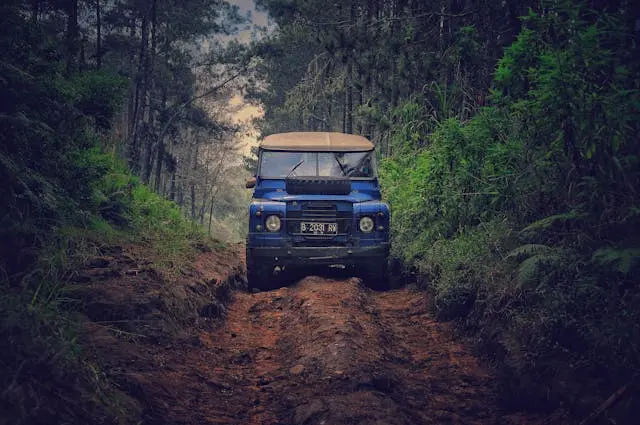
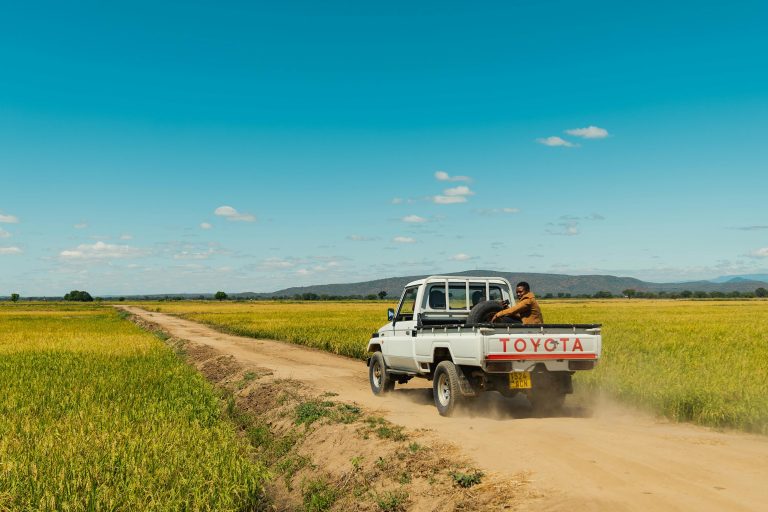
- Ground transport — private 4×4 transfers, often necessary given rough roads near the parks
- Accommodation — ranging from mid-range lodges to ultra-luxury properties, usually for 2–4 nights near the park
- Meals, park ranger/guide fees beyond the permit, and sometimes porter fees (around $15–20/day, and genuinely worth hiring — it supports the local community and eases the climb)
- A briefing and trek itself, usually starting at dawn with a safety talk before groups head into the forest
Packages generally fall into a few tiers:
Budget/Standard (3–5 days): Focuses purely on the trek itself, often as a quick add-on to a broader East Africa trip. Expect modest guesthouses or mid-range lodges, shared transport, and a total cost (Uganda) starting around $1,500–2,500 per person excluding international flights.
Mid-range (5–7 days): Combines gorilla trekking with one or two other activities — golden monkey tracking, a cultural village visit, Lake Kivu or Lake Bunyonyi relaxation, or a short savanna safari. Costs typically run $3,000–5,000 per person.
Luxury (7–14 days): Often combines both countries in a single circuit — Volcanoes NP in Rwanda, then an overland or short-flight crossing into Bwindi in Uganda, sometimes extended into Queen Elizabeth NP for lions and hippos, or even onward to Zanzibar for a beach finish. These run from $5,000 well into five figures per person, staying at premier lodges throughout. Given Rwanda’s $1,500 permit alone, a full luxury Rwanda-only trip can easily run $4,000–7,000 per person once accommodation and transport are added.
Combining Rwanda and Uganda
Because the two countries share a land border and a well-traveled crossing point near Kisoro/Cyanika, combined Rwanda–Uganda gorilla safaris are common and popular — typically 8 to 14 days, letting travelers trek gorillas in both countries (different habituated families count as genuinely separate encounters for repeat trekkers) or trek in one country and layer on Uganda’s broader wildlife circuit. This kind of itinerary is often marketed as the “ultimate” East African primate experience.
Best Time to Go and Booking Advice
Gorilla trekking runs year-round, but the driest, easiest trekking conditions fall in the June–September and December–February windows — which are also peak season, with permits selling out four to six months in advance. The wetter shoulder and low seasons (March–May, October–November) bring muddier trails but thinner crowds, and Rwanda sometimes offers permit discounts of around 30% for visitors combining Volcanoes NP with Akagera or Nyungwe National Parks during this period.
Practical considerations for anyone booking:
- Fitness matters. Treks can involve several hours of steep, muddy hiking at altitude; rangers do try to match group difficulty to visitor fitness levels where possible.
- Age and health rules apply. Both countries require trekkers to be 15 or older, and anyone with a contagious illness (including a cold) may be turned away, since gorillas are highly susceptible to human respiratory diseases.
- Book early, especially for peak season — permits are capped daily and licensed operators or the national tourism boards (Rwanda Development Board, Uganda Wildlife Authority) handle allocation.
- A reputable local operator generally makes the process far smoother, handling permit reservations, park logistics, and the inevitable rough-road transfers.
Ultimately, the choice between Rwanda and Uganda (or both) comes down to budget, time, and what kind of trip you want around the gorilla encounter itself: Rwanda offers speed, comfort, and easier access from Kigali at a premium price; Uganda offers a lower entry cost, denser and wilder forest, and a broader wildlife circuit to build around it. Either way, the hour spent in the presence of a wild gorilla family — watching a silverback move through the undergrowth just a few meters away — is consistently described by travelers as one of the most profound wildlife encounters available anywhere on the planet.