Why Self-Drive Trips in Uganda Are Cheaper Than Kenya and Tanzania
East Africa has three flagship self-drive destinations — Uganda, Kenya, and Tanzania — and all three offer the same basic promise: rent a 4×4, skip the guided tour, and explore the continent’s most famous parks on your own schedule. But the price tags attached to that freedom are not equal. Traveler after traveler, and the rental companies themselves, consistently point to Uganda as the budget leader of the three. The gap isn’t accidental or marginal — it shows up across every layer of a road trip’s budget: the vehicle, the fuel, the park fees, the permits, and the overall cost of moving around the country. Understanding why requires looking at each of these layers individually.
1. Vehicle Rental Rates Start Lower and Stay Lower
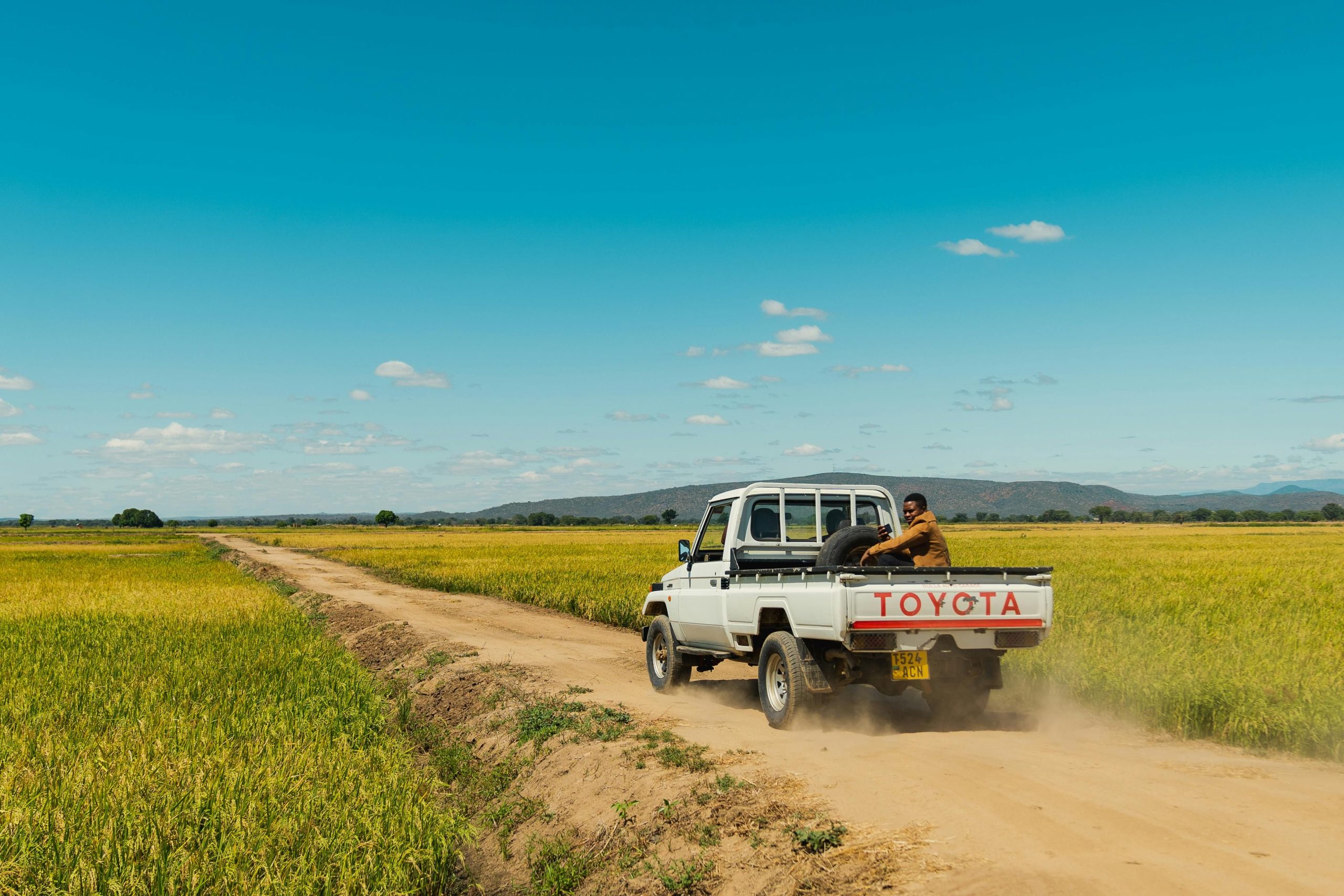
The most visible cost in any self-drive trip is the daily rental rate, and Uganda undercuts its neighbour’s at almost every vehicle category. Ugandan rental companies routinely advertise small saloon cars from as little as $25–$35 a day, with capable mid-range 4x4s like the Toyota RAV4 available from around $40–$55 a day, and a full safari-spec Land Cruiser — the vehicle most people actually want for national park roads — typically running $60–$120 a day depending on age, extras, and rooftop tent setup.
Kenya’s rental market, by contrast, rarely dips below $70 a day even for entry-level 4×4 hire, with fully kitted overlanding vehicles starting closer to $90–$120 a day. Tanzania sits in similar territory, with several cross-border operators quoting baseline 4×4 self-drive tour rates around $60–$90 a day before camping equipment or extras are added. When you multiply that daily gap across a 10- or 14-day itinerary — the typical length for a serious savanna-and-primates trip — the difference compounds into hundreds of dollars in savings for the Uganda-based renter.
Several structural reasons explain this gap. Uganda has a denser, more competitive cluster of small, locally owned rental operators concentrated around Entebbe and Kampala, all competing aggressively on price for both domestic business travelers and international tourists. Kenya and Tanzania’s rental markets, meanwhile, lean more heavily toward larger overlanding specialists serving extended multi-month expeditions and cross-border safaris, a customer base willing to pay more for fully equipped, rugged vehicles — which pulls average advertised prices upward even for shorter rentals.
2. Fuel Costs and Distances Favor Uganda’s Compact Geography
Self-drive budgets live and die by fuel consumption, and this is where Uganda’s geography quietly does a lot of work. Uganda is a comparatively small, densely packed country: Kampala to Queen Elizabeth National Park is roughly 400 km, Kampala to Murchison Falls around 300 km, and even the far-flung Kidepo Valley is reachable within a single long day’s drive. Kenya and Tanzania are both considerably larger countries, and their premier circuits — Nairobi to the Maasai Mara, Arusha to the Serengeti, or any multi-park northern circuit — often involve longer daily distances, more days on the road between major attractions, and correspondingly higher cumulative fuel spend.
Fuel pricing itself is broadly comparable across the three countries, generally in the $1.30–$1.60 per litre range for petrol and diesel, so it’s distance rather than price-per-litre that drives the difference. A shorter, more compact national park network means Ugandan self-drivers simply burn less fuel covering the same density of wildlife and primate experiences, which is a meaningful saving over a one- or two-week trip.
3. National Park Entry Fees Are Dramatically Lower
This is arguably the single biggest line-item difference between the three countries, and it isn’t close. Uganda’s national parks charge non-resident adults around USD 35–40 per person for most parks, with park fees standardized across the country and valid for 24 hours from entry. Vehicle entry is a modest UGX 40,000 per entry, and a self-guided game drive costs just USD 10 per vehicle per day.
Kenya’s fee structure has moved sharply in the opposite direction. As of October 2025, Kenya Wildlife Service introduced a revised national park fee structure that pushed up rates across the board. Tsavo East and Tsavo West now charge non-resident adults USD 80 per person, the first major fee revision in nearly 18 years. Premium parks cost even more: a non-resident adult visiting a premium park like Amboseli pays USD 90 per day, while the Masai Mara reaches USD 200 per day in peak season. Samburu National Reserve charges non-residents USD 85 per adult per 24 hours, and Lewa Wildlife Conservancy charges non-resident day-trippers USD 198 per adult.
Tanzania compounds its costs further through what amounts to fee-stacking. Tanzania’s Northern Circuit involves heavy fee stacking — park fees plus concession fees plus crater fees — meaning a single day’s wildlife viewing in the Serengeti–Ngorongoro area can rack up several separate charges rather than one flat entry cost. Tanzania’s Serengeti National Park charges USD 71 per adult per day, a figure that, like Kenya’s premium parks, sits well above Uganda’s flat-rate model.
For a family or couple visiting three or four parks over a two-week trip, this fee gap alone can amount to hundreds of dollars saved by routing the trip through Uganda instead of Kenya or Tanzania.
4. Primate Permits Tip the Scales Even Further
Uganda’s biggest single drawcard — mountain gorilla trekking — is also dramatically better priced than the regional alternative. Uganda is significantly cheaper for the permit alone at $800 versus $1,500 for foreign non-residents in Rwanda, meaning two travelers save $1,400 before any other costs. Uganda also offers chimpanzee tracking in Kibale National Park, currently priced at $250 for foreign non-residents, alongside savanna wildlife viewing in Queen Elizabeth and Murchison Falls — letting a single Uganda trip combine primates and big-game safari without the premium pricing of a Rwanda-only gorilla itinerary.
Kenya and Tanzania don’t offer mountain gorilla trekking at all, so visitors chasing that specific experience as part of an East African circuit must add a costly Rwanda leg — whereas Uganda bundles it into the same self-drive loop, at a lower permit price than the regional competitor.
5. Lower Overheads, Lower Border and Documentation Costs
Self-drive trips that stay within Uganda also avoid a layer of costs that cross-border itineraries from Kenya or Tanzania often carry — temporary export permits, additional cross-border insurance, and documentation fees. Multi-country trips originating in Kenya or Tanzania frequently need to budget an extra $50–$150 in cross-border paperwork per crossing, on top of the higher baseline rental and park costs already discussed. A trip confined to Uganda’s compact, single-country circuit of Murchison Falls, Queen Elizabeth, Kibale, and Bwindi sidesteps most of that friction entirely.
6. A More Competitive, Locally-Driven Rental Market
Finally, it’s worth noting the market structure itself. Uganda’s self-drive rental sector has grown around small, often family-run companies based in Entebbe and Kampala that compete directly on price, frequently advertising discounts for week-long or month-long rentals and bundling extras like rooftop tents and camping gear at little or no added cost. This intensely competitive, low-overhead business environment keeps headline rates low. Kenya and Tanzania’s rental scenes, while excellent in vehicle quality and overlanding expertise, are shaped more by international expedition outfitters whose pricing reflects extended-trip, fully-equipped overlanding rather than the budget-conscious short safari that many self-drive travelers are actually planning.
The Bottom Line
Uganda’s affordability advantage isn’t found in any single line item — it’s the accumulation of several smaller gaps that, taken together, become significant. Cheaper daily rental rates, shorter driving distances and correspondingly lower fuel spend, flat and comparatively low national park entry fees against Kenya’s tiered premium pricing and Tanzania’s fee-stacking, a gorilla permit priced well below the regional alternative, and a compact single-country circuit that avoids extra cross-border costs — all of it adds up to a self-drive trip that, for the same quality of wildlife and primate experience, costs meaningfully less in Uganda than it does in Kenya or Tanzania. For travelers planning a self-drive safari on a tighter budget without compromising on the depth of the experience, that combination is hard to beat.
Note: rental rates, fuel prices, and park fees fluctuate with season, currency movements, and regulatory changes, so it’s worth confirming current pricing directly with rental operators and the relevant wildlife authorities before finalizing a budget.