
Why Buy a Pizza Store Instead of Starting from Scratch?
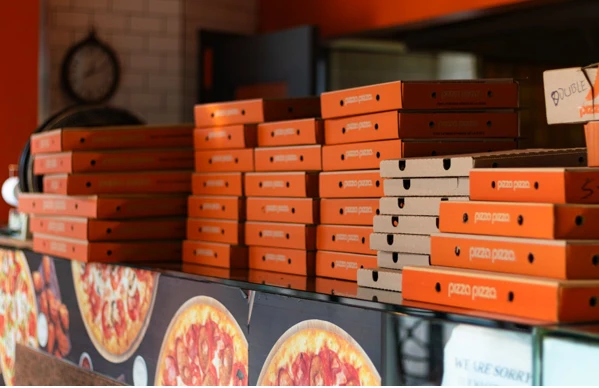
Buying an existing pizza store comes with several advantages that can significantly reduce your risk and shorten your path to profitability.
First, you benefit from immediate cash flow. A functioning pizza shop already has customers, recipes, suppliers, systems, and staff. If you enjoy exploring restaurant concepts before investing or dining out, the bistro claytopia menu is another interesting option to browse. Instead of spending months trying to get your name out and build awareness, you step into a business that is already operating and generating sales.
Also Read: Download Twitter Videos Fast & Free Ultimate Video Downloader Guide
Second, you acquire brand recognition and goodwill. Many independent pizza shops and franchise locations have repeat customers who order weekly or monthly. They may be loyal to the taste of the pizza, the deals, the speed of delivery, or simply the familiarity of the brand. When you buy the store, you often inherit years of goodwill and word‑of‑mouth marketing.
Third, you get proven operations. An existing store has equipment installed, recipes standardized, inventory systems in place, and processes for delivery, pickup, and dine‑in (if applicable). While you may want to improve or modernize things, you don’t have to design everything from zero.
Finally, you gain easier access to financing compared with a brand‑new concept. Lenders and investors tend to feel more comfortable backing a business with actual sales history, rather than an untested idea.
Types of Pizza Stores for Sale in Canada
Not all pizza businesses are the same. When you start browsing pizza stores for sale in Canada, you’ll find several common formats, each with its own pros and cons.
- Franchise Pizza Stores
These are part of national or regional chains with a well‑known brand, standardized menu, and established marketing. Benefits typically include:
● Strong brand recognition and built‑in customer trust
● Corporate training and ongoing support
● Established supply chains and negotiated ingredient pricing
● Standardized systems for POS, delivery, and operations
On the downside, franchisees usually pay franchise fees and a percentage of gross sales as royalties, and they must follow rules about menu, pricing, décor, and marketing. - Independent Takeout and Delivery Shops
These are stand‑alone pizza businesses created by individual owners. They may focus heavily on takeout and delivery with little or no seating. Advantages include:
● More flexibility in menu, pricing, and promotions
● Ability to build a unique local brand and identity
● No franchise fees or royalties
At the same time, independents must do all their own marketing, negotiate with suppliers on their own, and compete with larger brands without corporate support. - Dine‑In Pizzerias and Restaurants
Some pizza businesses combine takeout and delivery with a full dine‑in experience. They may offer table service, a liquor licence, and an expanded menu including pasta, salads, and appetizers. These locations can achieve higher average tickets per customer but also have higher overhead for staff, space, and equipment. - Pizza and Multi‑Concept Stores
You may also see pizza combined with other concepts: for example, pizza and wings, pizza and shawarma, or a convenience store that also sells pizza slices. This approach can diversify revenue and attract different customer segments throughout the day.
Before you pursue a specific listing, consider which model matches your budget, skills, and the market in your chosen area.
Key Factors to Consider When Evaluating a Pizza Store
When you’re reviewing pizza stores for sale in Canada, it’s tempting to focus on headline sales numbers or asking price. But a smart buyer looks much deeper.
- Location and Demographics
Location is incredibly important for a pizza business. Think about:
● Population density and foot traffic in the area
● Proximity to schools, universities, offices, and residential buildings
● Parking and ease of access for both customers and delivery drivers
● Visibility from main roads or popular streets
A store near dense housing, student areas, or busy commercial strips will typically have more orders, especially evenings and weekends. At the same time, higher‑traffic areas may come with higher rent. - Sales Mix and Profit Margins
Ask the seller for detailed financial information, including:
● Total monthly and yearly sales
● Breakdown of sales by channel (delivery, pickup, dine‑in)
● Food cost percentage (ingredients and packaging)
● Labour cost as a percentage of sales
● Rent and utilities
● Net profit before and after paying the owner
Pizza can be a high‑margin food when managed well, but costs can get out of control if ingredients are wasted, portion sizes are inconsistent, or labour is not scheduled efficiently. Understanding the current cost structure helps you see where you can improve profitability. - Delivery and Online Presence
Canadian consumers increasingly order through apps and online platforms. When evaluating a pizza store, check:
● Whether the business has its own website and online ordering system
● Use of third‑party delivery apps and associated fees
● Online reviews and ratings
● Social media presence and customer engagement
A store with strong digital presence, positive reviews, and streamlined online ordering has a significant advantage in today’s market. - Equipment and Lease Terms
Inspect the physical assets and the lease carefully:
● Condition of ovens, refrigeration, prep tables, ventilation, and POS systems
● Age of key equipment and expected remaining lifespan
● Capacity of the kitchen to handle higher volume if you grow sales
● Lease length remaining, renewal options, and any scheduled rent increases
A low asking price may hide the fact that expensive equipment will need replacement soon, or that a lease is expiring without a guaranteed renewal, both of which add risk. - Brand, Menu, and Reputation
Whether the store is franchised or independent, the strength of its brand and reputation matters.
● How well known is the store in the local area?
● Are there signature items or unique recipes customers love?
● What do online reviews and local feedback say about taste, service, and consistency?
If the reputation is strong, you’ll want to maintain continuity and avoid drastic changes too quickly. If it’s weak, factor in the time and cost to rebuild trust.
Typical Investment and Returns
The cost of buying a pizza store for sale in Canada can vary widely depending on city, size, format, and brand. Smaller independent shops in smaller towns may be relatively affordable, while busy franchise locations in major urban centres can command significantly higher prices.
When you look at financials, pay attention not just to sales but to the owner’s discretionary income or owner’s earnings—the amount left for the owner after paying all operating expenses, staff, and cost of goods, but before taxes and debt payments. This helps you judge whether the business can comfortably cover:
● Your living costs
● Loan payments or financing costs
● Future investments in equipment or renovations
A strong pizza store can offer a solid income to an owner‑operator who is actively involved. However, returns will be much lower if you intend to run the business as a hands‑off investor and pay a full management team.
Steps to Buying a Pizza Store in Canada
- Define Your Goals and Budget
Start by clarifying:
● Whether you want to be an owner‑operator or a more passive investor
● What regions or cities you’re interested in
● Whether you prefer a franchise or independent business
● Your total budget, including working capital and potential renovations
Having this clarity makes it easier to filter listings and say no to businesses that don’t fit your profile. - Search for Listings and Build Relationships
Look at business‑for‑sale platforms in Alberta, commercial real estate listings, franchise resale portals, and local classified ads. You can also reach out to:
● Business brokers specializing in food and hospitality
● Franchise companies that may have resales or new territories
● Local accountants or lawyers who know owners considering retirement
Building relationships with professionals in the industry can give you early access to good opportunities. - Shortlist and Visit Locations
Once you find interesting listings, visit the stores more than once, at different times:
● Observe customer flow during lunch, dinner, and late evening
● Check cleanliness and organization in the dining area and behind the counter
● Listen to how staff interact with customers and each other
● Notice surrounding businesses, traffic patterns, and parking
These visits often reveal insights that numbers alone won’t show. - Perform Detailed Due Diligence
When you are serious about a particular store, conduct thorough due diligence. With the help of an accountant and lawyer, review:
● Financial statements and tax returns for several years
● Supplier invoices to verify food costs
● Employee lists, roles, and wage rates
● Lease agreement and any franchise contracts
● Licences, permits, and health inspection history
Due diligence is the stage where hidden issues often surface—such as under‑reported expenses, unrecorded cash sales, or lease terms that are less favourable than they appeared. - Secure Financing
Based on the purchase price and your own capital, you may need to secure financing. Options include:
● Bank loans tailored to small businesses
● Franchise financing programs (if applicable)
● Seller financing, where the current owner allows you to pay part of the price over time
● Investors or partners
A solid business plan that explains your strategy to maintain and grow the store will strengthen your case with lenders. - Negotiate and Close the Deal
Negotiating the agreement involves more than price. Key points include:
● Inventory valuation for ingredients and packaging on hand
● Treatment of existing staff and any key employees you want to retain
● Training and transition period from the current owner
● Any planned renovations or equipment upgrades and who will pay for them
Once terms are agreed, your lawyer will finalize the purchase agreement and ensure that ownership, leases, and any franchise rights are properly transferred.
Challenges of Owning a Pizza Store
While pizza stores can be profitable and rewarding, they are also demanding businesses. Common challenges include:
● Long hours, especially evenings and weekends
● Managing labour costs while maintaining good service
● Controlling food waste and portion sizes to protect margins
● Dealing with competition, including other pizza shops and multi‑cuisine restaurants
● Staying consistent in quality and delivery times during busy periods
Success often depends on how well you manage operations: scheduling, training, inventory, and customer service.
Strategies for Long‑Term Success
To build a strong and resilient pizza business after you buy it, focus on a few key strategies:
- Deliver consistently great quality
Keep recipes and portioning consistent. Train staff thoroughly so every pizza meets your standards. Customers return when they know what to expect. - Invest in speed and convenience
Optimize your workflow in the kitchen. Streamline online ordering and phone systems. Make pickup quick and organized. Fast service is a major competitive advantage. - Build a strong local brand
Use social media to showcase your pizzas, staff, and community involvement. Offer loyalty programs, family deals, or student discounts suited to your area. - Watch your numbers closely
Track food cost, labour percentagwe, and daily sales. Review which menu items are most profitable and which may need to be adjusted or removed. - Adapt to your market
Introduce new toppings or crust options based on customer feedback. Consider gluten‑free or vegan options if there is local demand. Small adjustments can open up new customer segments.
Exploring pizza stores for sale in Canada can be an exciting path into business ownership. By understanding the different types of opportunities, evaluating each store carefully, and planning your operations thoughtfully, you can turn a love of pizza into a stable and growing business.


