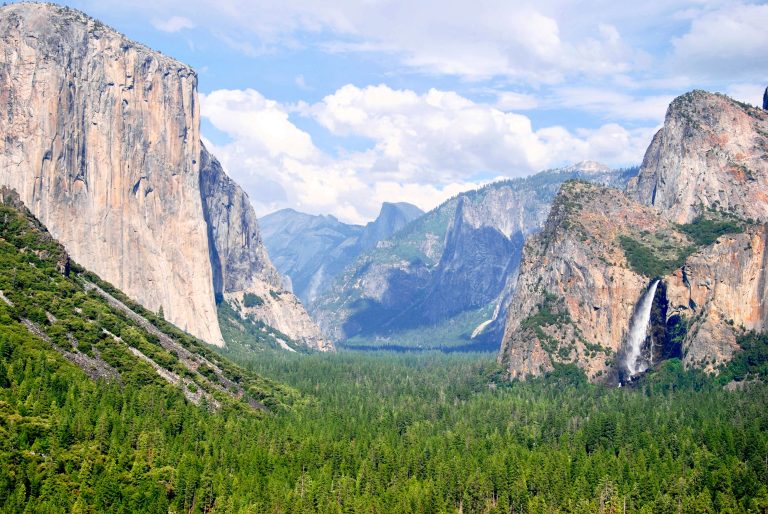
A Complete Guide to Trekking Adventures in the Himalayas

The Himalayas have long captured human imagination. Towering peaks, remote trails, and centuries-old cultures combine to create one of the most profound trekking experiences on Earth. For many travelers, reaching the foothills of these legendary mountains represents both a physical challenge and a deeply personal journey. Understanding the terrain, climate, and preparation required is essential for anyone considering such an expedition.
Many trekkers begin their research by exploring routes such as himalaya base camp, which represents a gateway into the heart of the world’s highest mountain range. These journeys are not merely hikes; they are immersive experiences shaped by geography, altitude, and human resilience.
Understanding the Geography of the Himalayas
A Mountain Range Unlike Any Other
The Himalayas stretch across several countries, forming a natural barrier between the Indian subcontinent and the Tibetan Plateau. This vast range includes some of the highest peaks on Earth, dramatic valleys, and glacial rivers that support millions of lives downstream.
What makes this region unique is not only its height but also its diversity. Trekkers encounter subtropical forests at lower elevations and barren alpine landscapes as they climb higher. Each altitude zone presents distinct environmental conditions that influence trekking difficulty and planning.
Climate and Seasonal Variations
Weather in the Himalayas can change rapidly. Clear mornings may give way to snow or strong winds by afternoon, especially at higher elevations. Understanding seasonal patterns helps trekkers choose the safest and most rewarding time to travel.
Key seasonal considerations include:
- Spring (March–May): Stable weather and blooming rhododendrons
- Autumn (September–November): Clear skies and excellent visibility
- Winter (December–February): Harsh cold and limited access
- Monsoon (June–August): Increased risk of landslides and poor visibility
Physical Preparation for High-Altitude Trekking
Building Endurance and Strength
High-altitude trekking demands more than casual fitness. Long walking days, steep ascents, and thin air require sustained endurance and muscular strength. Preparation should begin several months in advance, focusing on cardiovascular health and leg conditioning.
Effective training often includes:
- Long-distance walking with a loaded backpack
- Stair climbing or hill training
- Strength exercises for legs and core
- Breathing and pacing techniques
The Importance of Acclimatization
Altitude sickness is a real risk in the Himalayas. As elevation increases, oxygen levels decrease, placing stress on the body. Acclimatization allows the body time to adapt, reducing the risk of serious health issues.
Trekkers are advised to:
- Ascend gradually
- Include rest days at key elevations
- Stay hydrated and maintain proper nutrition
- Recognize early symptoms such as headaches or nausea
Cultural Encounters Along Himalayan Trails
Life in Mountain Communities
The Himalayas are home to diverse communities with deep-rooted traditions. Villages along trekking routes often rely on agriculture, trade, and seasonal tourism. Visitors have the opportunity to observe daily life shaped by altitude, climate, and spiritual beliefs.
Respectful interaction is essential. Understanding local customs, dress norms, and social etiquette helps foster meaningful cultural exchange while preserving community dignity.
Spiritual Significance of the Region
Many Himalayan areas hold profound religious importance. Monasteries, prayer flags, and sacred stones reflect Buddhist and Hindu influences that have shaped life in the mountains for centuries.
Trekkers frequently encounter:
- Monks and nuns practicing daily rituals
- Prayer wheels and mani walls along trails
- Sacred peaks considered the homes of deities
These elements add a contemplative dimension to the physical journey.
Environmental Responsibility in the Himalayas
Fragile Ecosystems at Risk
Despite their immense scale, Himalayan ecosystems are highly fragile. Climate change, waste accumulation, and increasing foot traffic threaten wildlife and natural landscapes. Responsible trekking practices are essential to minimize environmental impact.
Simple actions can make a difference:
- Carrying reusable water bottles
- Avoiding single-use plastics
- Staying on marked trails
- Packing out all waste
Supporting Sustainable Practices
Many trekking regions promote conservation and community-based tourism. By choosing responsible behavior, trekkers contribute to long-term environmental protection and local livelihoods without disrupting traditional ways of life.
Mental Resilience and the Trekking Experience
Managing Physical and Emotional Challenges
Trekking in the Himalayas tests mental strength as much as physical ability. Fatigue, altitude discomfort, and isolation can challenge even experienced trekkers. Maintaining a steady pace and positive mindset is crucial.
Mental resilience is supported by:
- Setting realistic daily goals
- Practicing mindfulness and controlled breathing
- Maintaining group communication
- Accepting changing conditions with flexibility
The Reward of the Journey
The sense of accomplishment gained from trekking in the Himalayas is difficult to describe. Reaching high viewpoints, sharing stories with fellow trekkers, and witnessing sunrise over snow-covered peaks creates lasting memories that extend far beyond the trail.
Conclusion: A Journey That Transforms Perspective
Trekking in the Himalayas is not defined solely by reaching a destination. It is shaped by preparation, respect for nature, cultural understanding, and personal perseverance. Each step along the trail offers insight into the relationship between humans and one of the most powerful natural environments on Earth.
For those seeking deeper understanding of routes and planning considerations, journeys toward himalaya base camp represent an opportunity to experience the Himalayas in a way that balances challenge, reflection, and respect for this extraordinary region.
Frequently Asked Questions
1. How physically demanding is trekking in the Himalayas?
Trekking difficulty varies by route and altitude, but most Himalayan treks require strong endurance and basic fitness. Long walking days, elevation gain, and reduced oxygen levels increase physical demands. Proper training and pacing significantly improve the overall experience and safety.
2. Is altitude sickness common among trekkers?
Altitude sickness can affect anyone, regardless of fitness level. Symptoms often appear above 2,500 meters. Gradual ascent, rest days, hydration, and awareness of symptoms are essential preventive measures. Serious cases require immediate descent and medical attention.
3. What kind of accommodation is available during treks?
Accommodation typically includes basic lodges or teahouses along established routes. Facilities are simple, with shared rooms and limited heating at higher elevations. Comfort decreases with altitude, but hospitality and warmth from local hosts remain consistent.
4. How important is cultural awareness while trekking?
Cultural awareness is extremely important. Respecting local customs, religious sites, and traditions helps preserve harmony between visitors and host communities. Simple gestures such as modest dress and polite communication go a long way in building mutual respect.
5. Can trekking impact the Himalayan environment?
Yes, trekking can impact fragile ecosystems if not managed responsibly. Waste, trail erosion, and resource strain are ongoing concerns. Following sustainable practices, minimizing waste, and respecting wildlife help protect the region for future generations.