
Awnings for Slide Outs on Travel Trailers A Complete Guide
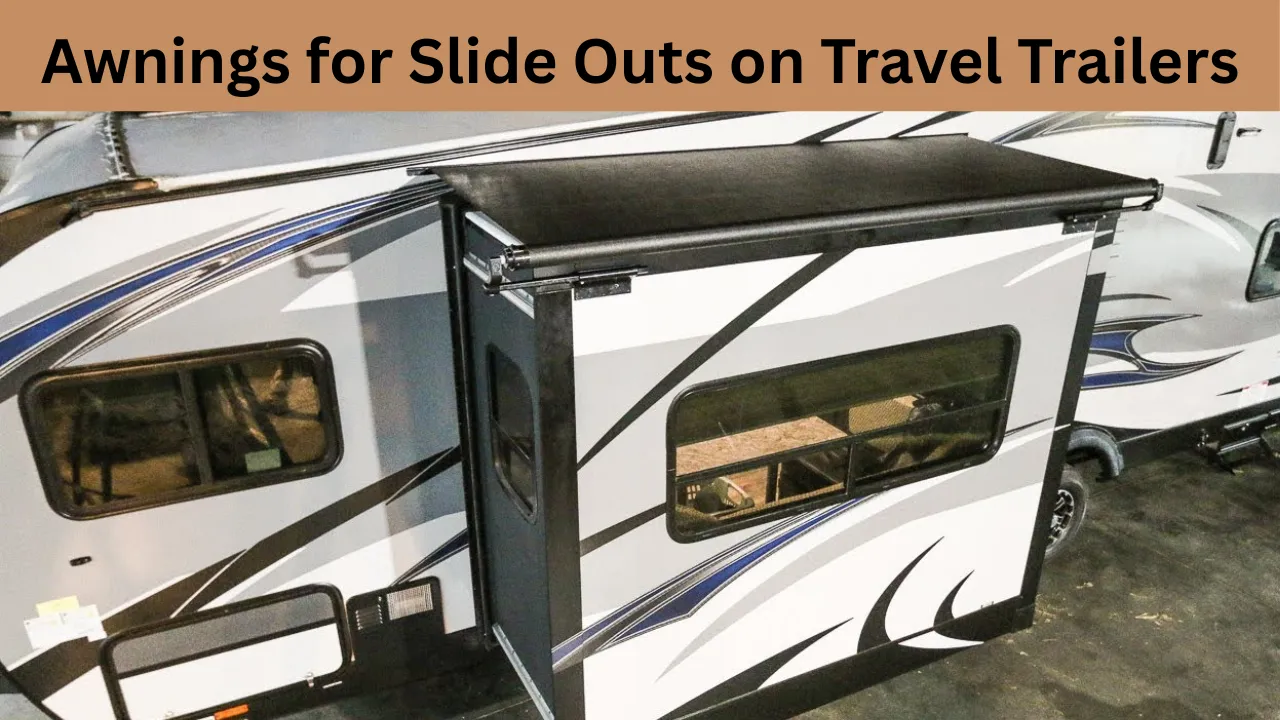
Traveling in a travel trailer offers the freedom to explore the world, and making the journey comfortable is a priority for many RV owners. One of the key features that enhance this comfort is the awnings for slide outs on travel trailers. These protective covers extend over the slide-out sections of your RV, offering shade, protection from debris, and preventing wear and tear from the elements. This guide will explore everything you need to know about this slide outs on travel trailers, from their benefits to installation, maintenance, and more. If you’re considering traveling to Colombia, be sure to check out Is Colombia Safe to Travel in 2026 Guide for Travelers for important travel tips.
What Are Awnings for Slide Outs on Travel Trailers?
An awnings for slide outs on travel trailers is a type of cover designed to protect the extended slide-out rooms of your RV. When you extend your slide-out, it exposes the roof to the elements, including rain, snow, and debris. Awnings for these areas prevent damage by offering protection from weather conditions that could cause leaks, rust, or dirt build-up.
These awnings are typically made of durable materials such as vinyl or fabric and come in a variety of styles and sizes to fit different types of RVs. They are installed over the slide-out and extend automatically or manually when the slide-out is deployed.
Why Do You Need Awnings for Slide Outs on Travel Trailers?
Awnings for slide outs on travel trailers are not just about comfort; they serve several practical purposes that improve your travel experience. Here are some of the key benefits:
- Protection from Debris and Water
One of the main reasons to invest in this slide outs on travel trailers is the protection they offer from debris. Leaves, twigs, and dirt can collect on the roof of your slide-out, which could cause damage or be difficult to clean. Awnings provide a barrier, preventing debris from accumulating. - Temperature Regulation
By keeping the sun off the slide-out, awnings for slide outs on travel trailers can help reduce heat buildup inside your RV. This is especially important during summer months when the sun’s rays can increase the internal temperature of your living space. - Extended Durability
The sun’s UV rays can cause damage to the materials on your slide-out over time. The protection offered by this slide outs on travel trailers helps extend the life of your RV’s components by reducing exposure to the harsh elements. - Added Comfort
Having an awning for slide outs on travel trailers also adds to the overall comfort of your RV. It provides a shaded area around your slide-out, allowing you to enjoy the outdoors without being exposed to the sun.
Types of Awnings for Slide Outs on Travel Trailers
There are several types of awnings for slide outs on travel trailers, each designed to suit different needs and preferences. Understanding the types available will help you make the best choice for your travel trailer.
Manual Awnings
Manual awnings for slide outs on travel trailers require you to extend and retract the awning by hand. These are typically more affordable and simpler to install than automatic options. They are a great choice for RV owners who want a low-maintenance, cost-effective solution.
Electric Awnings
Electric or motorized this slide outs on travel trailers are extended and retracted with the push of a button. They offer convenience and ease of use, making them a popular choice for those who want an effortless experience. While they are more expensive than manual options, they save time and effort, especially for larger slides.
Retractable Awnings
Some RV owners opt for retractable awnings for slide outs on travel trailers. These awnings can be extended when needed and rolled back when not in use. This flexibility allows you to use your slide-out without worrying about weather conditions or space constraints.
How to Choose the Right Awnings for Slide Outs on Travel Trailers
When shopping for awnings for slide outs on travel trailers, there are several factors you should consider. These include the size of your slide-out, the material of the awning, and the type of extension mechanism.
Size of the Slide-Out
Before purchasing an awning for slide outs on travel trailers, it’s essential to measure your slide-out carefully. The awning should be wider than your slide-out to ensure full coverage. If the awning is too small, it will not provide adequate protection, and if it is too large, it could interfere with other parts of your RV.
Material
The material of your awning for slide outs on travel trailers will determine its durability, resistance to UV rays, and water resistance. Vinyl is a popular choice due to its durability and ability to withstand harsh weather conditions. Acrylic is another good option, as it is breathable and resistant to fading.
Installation Method
Consider whether you want a manual or electric system. Manual awnings for slide outs on travel trailers are cheaper and simpler to install, but electric ones offer more convenience. If you have the budget for it and want the added ease of use, an electric system may be the better option.
Installation of Awnings for Slide Outs on Travel Trailers
Installing an awning for slide outs on travel trailers can be a straightforward process, but it does require some knowledge and preparation. Here’s an overview of the installation process:
- Prepare Your Slide-Out
Before installing the awning, ensure your slide-out is clean and free from debris. This will help you get an accurate measurement for the awning and ensure the installation goes smoothly. - Measure the Slide-Out
Take precise measurements of the width and depth of your slide-out. The awning should overlap the edges slightly to ensure full protection. - Install the Mounting Brackets
Depending on the type of awning you choose, you may need to install mounting brackets on the sides of your slide-out. These brackets will hold the awning in place when it is extended. - Attach the Awning Fabric
Once the brackets are installed, attach the fabric to the mounting hardware. This process may vary depending on the type of awning you’ve chosen. - Test the Awning
After installation, test the awning to ensure it extends and retracts properly. If you’ve chosen a manual awning, you’ll need to check that the crank mechanism works smoothly. For electric awnings, test the motor to make sure it functions correctly.
Maintenance of Awnings for Slide Outs on Travel Trailers
Maintaining your awning for slide outs on travel trailers is crucial to extend its lifespan and keep it in top condition. Here are some tips for keeping your awning in great shape:
- Clean Regularly
Dirt and debris can accumulate on your awning, especially if you use it frequently. Clean the fabric or vinyl cover with mild soap and water to keep it free from dirt and stains. - Inspect for Damage
Regularly inspect the fabric for any signs of wear or tear. Small holes or rips should be patched immediately to prevent further damage. The brackets and hardware should also be checked for rust or loosening. - Reposition After Use
After using your awning for slide outs on travel trailers, ensure that it is properly retracted to avoid damage from wind or snow buildup. Always retract your awning when not in use to prevent unnecessary wear.
Conclusion
Adding awnings for slide outs on travel trailers is a smart investment for RV owners who want to protect their investment while enhancing their comfort during trips. Whether you opt for a manual or electric model, these awnings provide essential protection from the elements, reduce wear on your slide-outs, and improve the overall experience of using your travel trailer. By choosing the right awning, maintaining it properly, and ensuring safe installation, you can enjoy your travel trailer for years to come, free from worries about weather damage.