
When Is the Best Time to Trim Hedges in the UK?
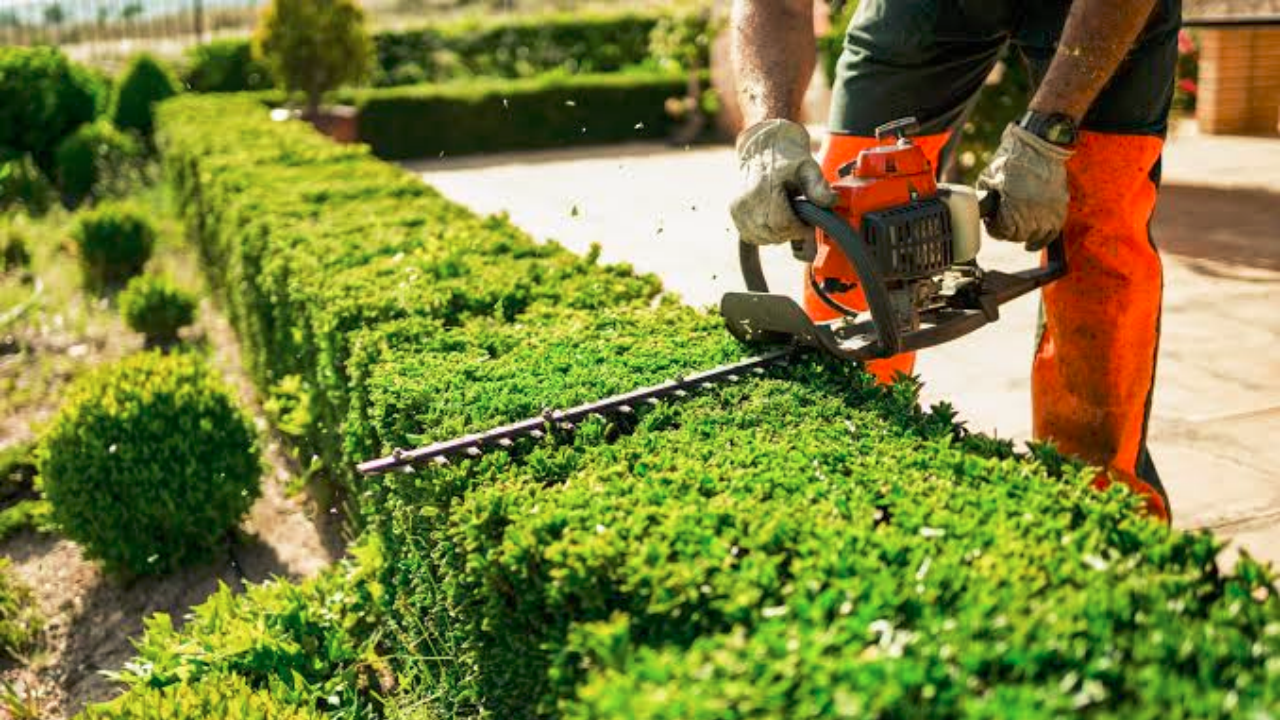
Timing for Trimming Hedges in the UK
Getting the timing right for trimming hedges in the UK is key if you want them to look good and grow well. You gotta match it with the seasons. For hedges that lose their leaves every year, late winter to early spring is the best time to cut them back. This helps them bounce back and look awesome when spring kicks in. Just make sure there’s no frost on the way, so keep an eye on the weather around February to March. This way, you dodge any frost damage and set your garden up to thrive in the spring.
Best Times for Trimming Deciduous Hedges
When you’re thinking about trimming your hedges, especially the ones that lose their leaves, timing is key. The best time? Late winter to early spring. Save From for Free YouTube This is when plants are all set to grow back and get leafy. Cutting them before they start sprouting lets you shape them nicely without messing them up, keeping them strong and healthy.
It’s also super important to know when the frost is gone for good. Keep an eye on the weather, especially if you live somewhere frost sticks around. When nights stay warmer than 0°C, you’re usually good to go. Watch for early spring flowers or check if the ground has thawed as clues. Paying attention to these things helps your hedges look great all year.
The Best Times for Trimming Evergreen Hedges
Evergreen hedges are great because they stay green all year. To keep them looking good, it’s best to trim them at the right times. Try doing it in late spring after they’ve grown a bit, so you don’t mess up their growth. Early autumn’s another good time to give them a snip before winter hits, keeping them neat in the cold. Just skip trimming when it’s super hot or freezing, as that’s rough on the plants. Pick mild days when the weather’s chill, and the plants aren’t stressed. By trimming during these times, you can keep your hedges looking sharp and classy all year, making your garden look fab.
Impact of Local Climate Variations
Trimming hedges in the UK can be tricky because of the ever-changing weather. Down south, winters are usually warmer, so you can start trimming a bit earlier. But up north, you gotta watch out for those sneaky late frosts. It’s a good idea to tweak your trimming plans based on the weather to keep your plants happy. Just keep an eye on the night temps—once they’re above freezing, you’re generally good to go. If you’re unsure about the local weather, have a chat with a nearby gardener for some tips. By keeping these weather quirks in mind, your hedges will stay looking great, no matter how unpredictable the British weather gets.
Bird Nesting Seasons and Hedge Maintenance
In the UK, bird nesting season runs from March to August, so you gotta be extra careful if you’re thinking about trimming your hedges. Lots of birds make their homes in hedges during this time, and messing with their nests isn’t just wrong—it’s against the law and could cost you in fines. Before you grab those pruners, take a good look for any active nests. If you find some, try trimming around them or maybe put up a little cage to keep them safe. You could also chat with wildlife pros or hire someone who knows the ropes to help out. By keeping the nesting season in mind, you can keep your garden looking great and still do your bit for the birds.
Recognizing Hedge Health and Trimming Needs
To keep your garden looking lively and neat, knowing when to trim your hedges is key. Well-kept hedges make your garden look great and help the plants stay healthy and strong.
Signs to Watch For
Look out for branches that stick out and block paths or windows. When you see this, it’s time to grab the trimmers. Hedges that are too big can look messy and put a lot of strain on the plants.
Regular Checks and Maintenance
Check on your hedges regularly, especially in the fast-growing seasons like spring and summer. Watch for pests, diseases, or dead branches. Give the hedge a light shake to find any dry bits. Pruning now and then helps air flow and keeps your hedges from getting too thick.
Seeking Help and Advice
Nicely trimmed hedges really boost your garden’s beauty. If you’re not sure how to trim them, look up some videos or ask for tips at a garden centre. You could also hire a pro gardener for an easy fix. Whether you do it yourself or get help, regular trimming keeps your garden looking its best.
Tools and Techniques for Efficient Hedge Trimming
An attractive garden really hinges on those well-kept hedges, doesn’t it? Having the right gear and a few nifty tricks up your sleeve can make all the difference. When you’ve got the proper tools, your garden not only looks fantastic but your plants stay healthy and thriving. Once you get the knack for these tools and techniques, keeping those hedges in tip-top shape becomes a breeze.
Safety Measures
Before diving into the hedge-trimming action, a quick pre-check is a lifesaver. Ensure your electric trimmer is fully charged and raring to go. Safety gear is your best mate here—gloves to protect those fingers, goggles to shield your eyes from flying debris, and earplugs to tone down the noise. And let’s not forget about the British weather—it can be as unpredictable as a cat. So, keep an eye on wet grass and make sure you’ve got a firm footing. These simple steps can help keep you safe and sound.
Proper Tool Handling
When it comes to handling your shears or trimmers, it’s all about the grip. Think about trimming like you would a well-groomed moustache or giving your dog’s coat a tidy-up. You want smooth, even cuts. Hold those tools firmly, and always be aware of where the blade’s heading. For larger shears, use both hands for better control, and take a step back now and then to assess your progress. Slow and steady wins the race, and before you know it, you’ll have hedges that are the envy of the neighbourhood.
Maintaining Your Tools
Taking care of your tools means they’ll stick around for the long haul. Keep those shears sharp and your trimmers oiled up. A little wipe with a vinegar-water mix can work wonders in preventing rust, and a quick clean with a damp cloth after use keeps them in top form. Store your tools in a dry spot, like a garden shed, so they’re always ready for action. These simple steps not only boost the lifespan of your tools but also ensure your hedges remain looking their best.
Why not give these tips a whirl this weekend and see the difference for yourself? Your garden might just become the talk of the street!
Conclusion
Figuring out when to trim your hedges in the UK mostly comes down to a few key things. Think about what type of plant it is, the weather in your area, and the laws about bird nests. Get these right, and your garden will have lush, healthy hedges that look great and add charm.


