
Pawn Gold Jewellery Use Gold That You No Longer Wear?
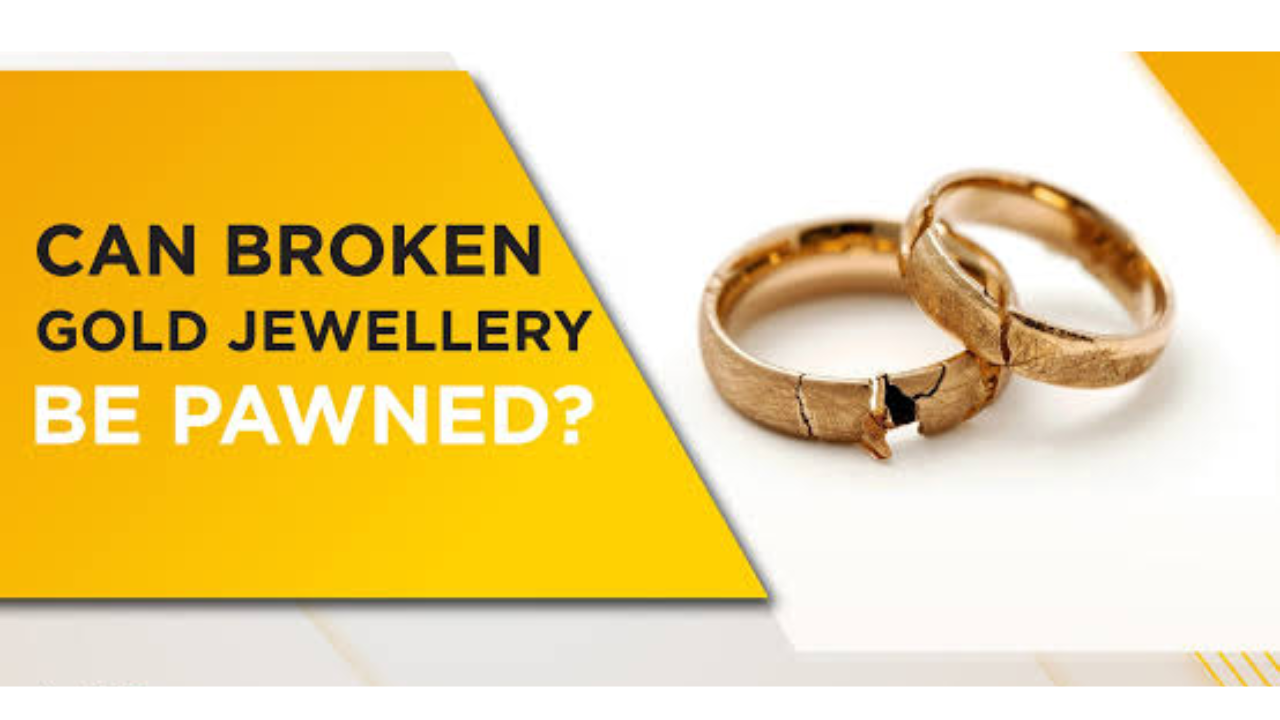
Most people have jewellery tucked away in drawers or jewellery boxes that rarely sees the light of day. It might be a necklace purchased years ago, a bracelet that no longer fits or a ring that has fallen out of fashion.
Over time, personal tastes change. Seasonal Home Repair A heavy gold necklace that was fashionable twenty years ago may no longer suit its owner, while a ring might become too small to wear comfortably.
Why Do People Keep Unworn Gold Jewellery?
Jewellery is often purchased to celebrate special occasions, including birthdays, anniversaries and weddings.
Although these pieces may no longer be worn, they can still have financial value. One option is to pawn gold jewellery rather than leave it sitting unused.
Other pieces are kept simply because their owners have never decided what to do with them. Unlike many fashion accessories, genuine gold jewellery retains an underlying precious metal value regardless of whether its design remains popular.
Could Unworn Jewellery Be Used for a Loan?
Gold jewellery that is no longer worn may be suitable as security for a pawn loan.
For example, someone might own several gold bangles that have remained in storage for years. Rather than selling them permanently, the owner could consider using one or more pieces as collateral for a short-term loan.
The jewellery would be held by the pawnbroker until the agreed repayment obligations were satisfied.
This allows the owner to access some of the jewellery’s financial value without immediately transferring ownership.
Does the Colour of Gold Matter?
Gold jewellery comes in several colours, including yellow, white and rose gold.
These colours result from different combinations of metals used in the jewellery alloy.
For example, rose gold commonly contains copper, which gives it a reddish appearance, while white gold contains other metals that produce a paler finish.
However, colour alone does not determine how much pure gold an item contains.
An 18-carat rose gold ring and an 18-carat yellow gold ring of identical weight generally contain the same quantity of pure gold.
Jewellery colours and designs have also changed considerably throughout history. The Jewellery Editor explores how traditional gold jewellery styles have evolved in its article The History of Bows in Fine Jewellery Design.
What About Jewellery That Has Been Altered?
Many people have jewellery that has been resized, repaired or modified over the years.
A bracelet may have had links removed, while a necklace might have received a replacement clasp.
These changes do not necessarily prevent an item from being accepted as security.
However, alterations can affect the total weight, and replacement components may contain different metals or gold purities.
The lender will assess the jewellery in its current condition rather than relying on its original purchase description.
Should You Pawn or Sell Unwanted Jewellery?
If you have no intention of wearing or keeping an item again, selling it outright may be more practical.
However, if the jewellery has sentimental importance or you believe you may want it back, a pawn loan offers a different option.
The important distinction is that borrowing involves interest, fees and a repayment obligation.
Making Use of Jewellery You Already Own
Choosing to pawn gold jewellery can provide temporary access to funds using possessions that might otherwise remain unused.
Before proceeding, consider whether you genuinely want to keep the jewellery and whether you can comfortably repay the loan.
An unworn piece of jewellery may still be worth keeping, but borrowing against it should always be approached with a clear understanding of the costs and risks.
The replacement link is to a verified editorial article, not a competing gold buyer or pawnbroker.