
How to Arrange Wheelchair Transportation in NYC for a Medical Appointment
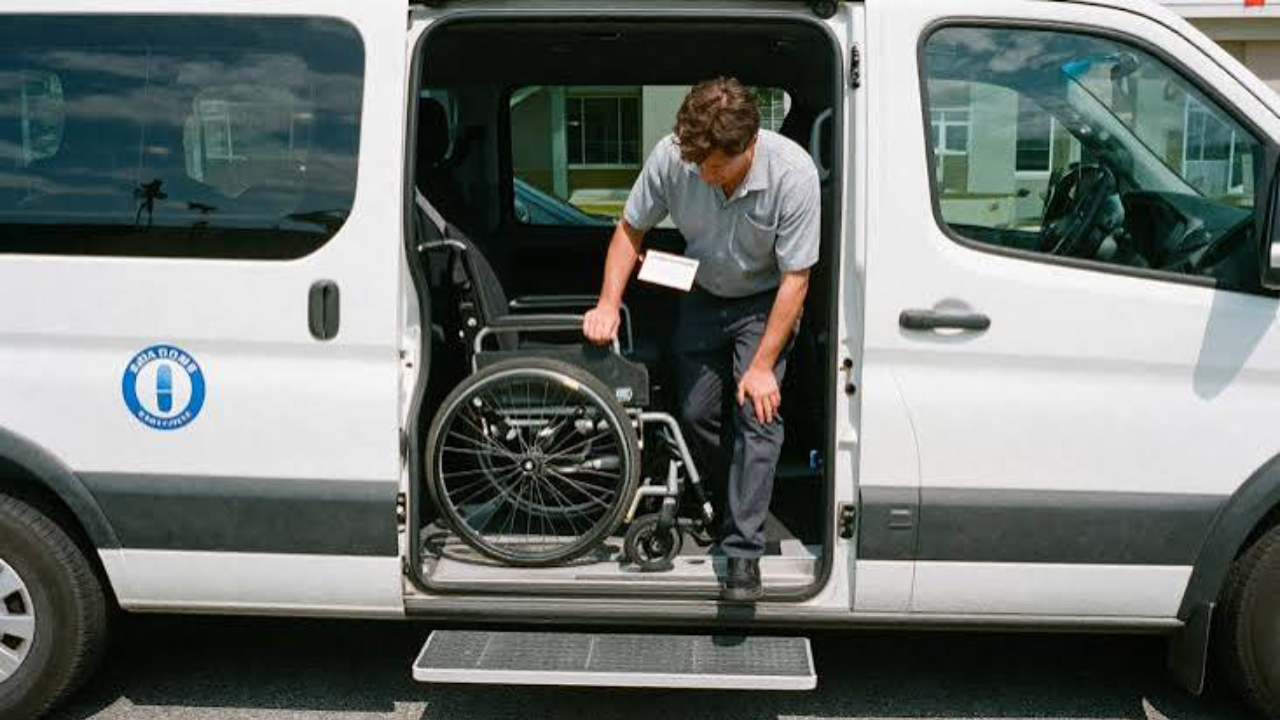
Getting an older parent or a relative who uses a wheelchair to a doctor’s visit in New York City takes more planning than most people expect. Subway elevators are often out of service, regular taxis can’t take a passenger who has to stay seated in a wheelchair, and many apartment buildings have stairs and no elevator. A little planning ahead makes the day much easier for everyone involved.
Know which type of ride you need
Start with how the passenger travels. Someone who can stay seated in their own wheelchair needs an ambulette service in NYC, which uses a van with a ramp or lift and floor straps that hold the chair in place. Someone who has to lie flat needs stretcher transport. Neither one is an ambulance. These are non-emergency rides for people who are medically stable and simply cannot use a regular car.
Understand your options
New Yorkers generally have three routes. The city’s paratransit program serves riders who have applied and been approved, and trips are reserved in advance. People with Medicaid may qualify for covered medical rides arranged through the state. The third route is a private company offering wheelchair transportation in NYC, which families often choose when they need a specific pickup time, help beyond the curb, or a ride for someone who isn’t enrolled in a program. Private companies such as Benny Express are paid directly by the client, so ask about payment before you book.
Ask about stairs before anything else
Stairs are the detail that causes the most problems. If the passenger lives in a walk-up, or the building has steps at the entrance, a driver alone cannot bring them down safely. Ask whether the company offers two-man stair assist, where two trained crew members carry the passenger up or down the stairs in a wheelchair. Tell the company exactly how many floors are involved so the right crew arrives.
Have these details ready
A quote goes faster, and is more accurate, when you can answer these questions:
- Pickup and drop-off addresses, including the borough – Appointment time and how long the visit usually takes – Whether the passenger uses their own wheelchair or needs one provided – Number of stairs or floors at each end – The passenger’s approximate weight, since equipment has limits – Whether a family member or aide will ride along – Whether you need a return trip or want the driver to wait
Pricing for private service usually depends on distance, the number of floors, and waiting time, so two trips that look similar can cost different amounts.
Book earlier than you think
Mornings fill up first because that is when most appointments and dialysis sessions are scheduled. For a one-time appointment, book a few days ahead if you can. For recurring visits such as dialysis three times a week, ask about setting up a standing schedule so the same pickup time is held for you each week.
On the day of the ride
Have the passenger dressed and ready about fifteen minutes before pickup. Keep identification, the appointment card, a medication list, and the doctor’s phone number in one bag. Dress in layers, because waiting rooms can be cold. If the appointment is running late, call the transportation company from the office so the return pickup can be adjusted.
Coming home from the hospital
Hospital discharges are harder to schedule because the release time often moves. Give the company the earliest likely time, and call again once the paperwork is signed. a Waterproof Backpack If the passenger will be weaker than usual after a procedure, mention it, because that may change a wheelchair ride into a stretcher ride or add stair assistance at home.
A final word
The right ride means your family member arrives on time, safe, and calm. Ask clear questions, share the details up front, and confirm the booking the day before.


