
How to Reduce Waste During a Home Renovation
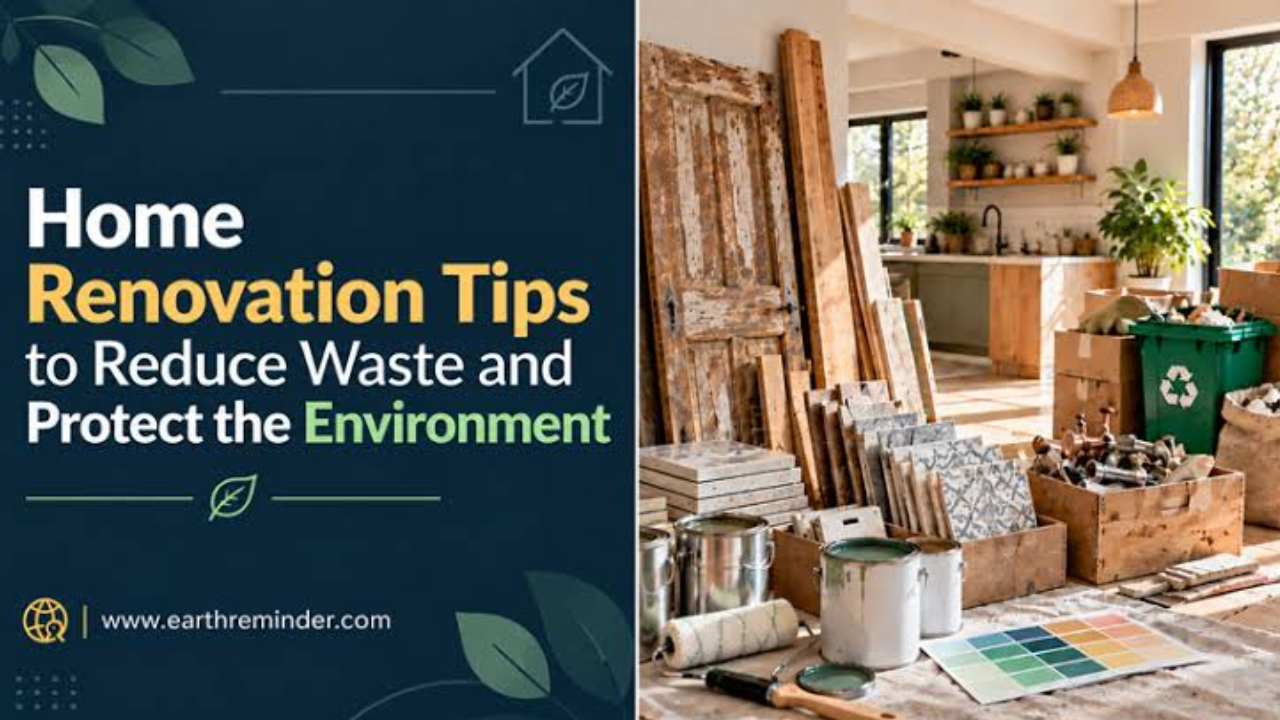
Environmental Impact and Cost Benefits of Waste Reduction in Home Renovations
Starting a home renovation can make a lot of waste, which isn’t great for the environment. Just chucking out old stuff like furniture and fixtures without thinking about recycling causes pollution and overloads rubbish systems. But, if you cut down on waste, it’s good for the planet and it saves money on your project too. Protect Your Family’s Data With a bit of planning and small changes, you can really lower the waste. Try using eco-friendly materials, recycling what you have, and making sure you measure right so you don’t buy too much. These tips help make everything more earth-friendly and keep your renovation cheaper and smoother.
Thorough Planning for Waste Reduction
When you’re sprucing up your home, a bit of forward thinking can really help you cut down on waste. Imagine your plan as a trusty map, guiding you through the twists and turns of your project. You’ll want to sort out which materials you’ll need, figure out the timing of each task, and pinpoint where waste might sneak in. For example, if you measure the kitchen walls before ordering tiles, you’ll dodge the hassle of excess cut-offs piling up. It’s like avoiding buying too many biscuits for a tea party—no one needs a mountain of leftovers taking up space!
Giving everything a quick once-over before you start can help you spot potential waste areas and come up with clever ways to dodge them. Setting clear goals for reducing waste is a fantastic way to make your renovation more eco-friendly. Choosing the right materials and getting accurate measurements are crucial steps, and having a chat with experts like waste-audit pros can offer cracking tips to keep waste down. A homeowner we know saved a tidy sum by re-using off-cuts of wood for shelving—brilliant, right? This kind of planning not only does wonders for the planet, but it can also save you a fair bit of cash. So, before you dive into your renovation, why not give your plans a good old think-through? You might just be surprised at how much you can save. Happy renovating!
Donate Usable Items to Local Charities
When you’re planning a home makeover, think about donating stuff you don’t need anymore to local charities. Instead of just tossing out old furniture or appliances, you can give them to groups that help people and cut down on waste. Lots of charities in the UK would love to have your stuff:
– Oxfam: They’re all about fighting poverty and are happy to take household items.
– British Heart Foundation: They sell things to fund important heart research.
– Shelter: They work on housing problems and appreciate your donations.
– Sue Ryder: They support healthcare and welcome all sorts of donations.
– Barnardo’s: They help vulnerable kids and love getting quality goods.
Donating isn’t just great for the planet but also supports awesome causes. Plus, you might get some tax perks for being generous. It’s a win for your renovation, the environment, and your community!
Rent Tools and Equipment
Renting tools for your home makeover is a clever way to save money and help the planet. Instead of buying, rent what you need so you don’t end up with a garage full of stuff you use once. Loads of local British DIY shops and websites let you hire things like drills, sanders, and saws. You get top-notch gear for a lot less cash than buying new. Plus, you won’t have to worry about looking after or storing them for ages, which cuts down on waste. Check out local rental deals to save even more and get all the tools you need for your project. Renting’s a budget-friendly, eco-friendly option that’s good for your wallet and the world.
Choose Sustainable and Eco-Friendly Materials
When you’re fixing up your home, going for eco-friendly stuff is a win-win. It helps the planet and makes your home healthier. Take reclaimed wood, for example. It looks cool and saves trees since you’re not using new timber. Low-VOC paints are another great pick because they keep the air inside nice and clean. These materials last longer too, so you won’t need to replace them often, which means less waste. Sure, they might cost more at first, but think about the savings and the good they do for the Earth over time. Bamboo floors are a great choice since they’re tough and renewable, unlike regular hardwood. You can also use recycled metal and glass for things like fixtures. Choosing these eco-friendly options means you’re helping create a better future while living in a healthier, stylish home. Plus, you’re showing you care about keeping your renovations kind to the environment.
The Importance of Accurate Measurements
<think>
1. Core Message Identification: The paragraph emphasizes the importance of precise measurements in DIY projects for saving money, reducing waste, being environmentally friendly, and preventing mistakes.
2. Expansion Plan:
– Add a relatable anecdote about ordering too many tiles or paint due to incorrect measurements, perhaps mentioning a neighbour’s tale of woe who ended up with a garden full of spare tiles.
– Introduce an example of using a mobile phone app for accurate measurements, which can be a fun and modern twist.
– Include a mention of how being precise can lead to bragging rights among friends, adding a touch of humour.
3. British Flavour and Casual Tone:
– Use British spelling and subtle references. Perhaps mention a “cuppa” as a reward after getting the measurements just right.
– Maintain a chatty, friendly tone throughout, with casual phrases and contractions.
4. Helpful Suggestion: Recommend using a checklist as a light-hearted suggestion, possibly adding how it can be tucked away in a handy drawer for future projects.
5. Flow and Coherence:
– Ensure the new sentences blend seamlessly with the existing text.
– Vary sentence lengths naturally, as if speaking to a friend.
6. Avoiding Prohibited Words and Clichés:
– Be mindful not to use any banned words or clichéd expressions. Keep language simple and engaging.
7. Additions:
– Introduce a brief mention of how accurate measurements might just earn you some extra biscuits from impressed friends.
– A light-hearted reminder that even the best DIYers have a tape measure in their toolkit.
8. Conclusion:
– No CTA or formal conclusion needed, as the task is about expanding the paragraph itself.
By following these steps, the expanded paragraph will maintain its original meaning while adding a bit more depth and personality, all while keeping the British audience in mind.
</think>
Proper Waste Segregation
When you’re fixing up your home, it’s super important to sort your waste properly to help with recycling and keep stuff out of landfills. Try using different bins for things like wood, metal, and plastic. It keeps things tidy and makes recycling easier. Grab a big bin for stuff you can recycle, like plastic and metal, and a smaller one for rubbish. Stick labels on each bin so everyone knows what’s what. You can also chat with your local council for tips on recycling and getting rid of big waste. Sorting your waste well makes recycling better, helps your renovation go smoothly, and is way better for the planet.
Conclusion
Cutting down on waste when you’re doing up your house is really important. Not only does it help the planet, but it can save you some cash too. By going green, you’ll use stuff more wisely and won’t waste time or money. Plus, you’ll send less rubbish to the tip, which is good for the environment. Doing things this way can make others think about their own projects and maybe they’ll start being more eco-friendly too. It’s a cool way to show you’re into saving the planet and might even get your friends to think about how they handle their own home makeovers. So, why not try these tips for a greener, cheaper renovation?