
Piaget Polo Watches and the Rise of Elegant Sports Luxury
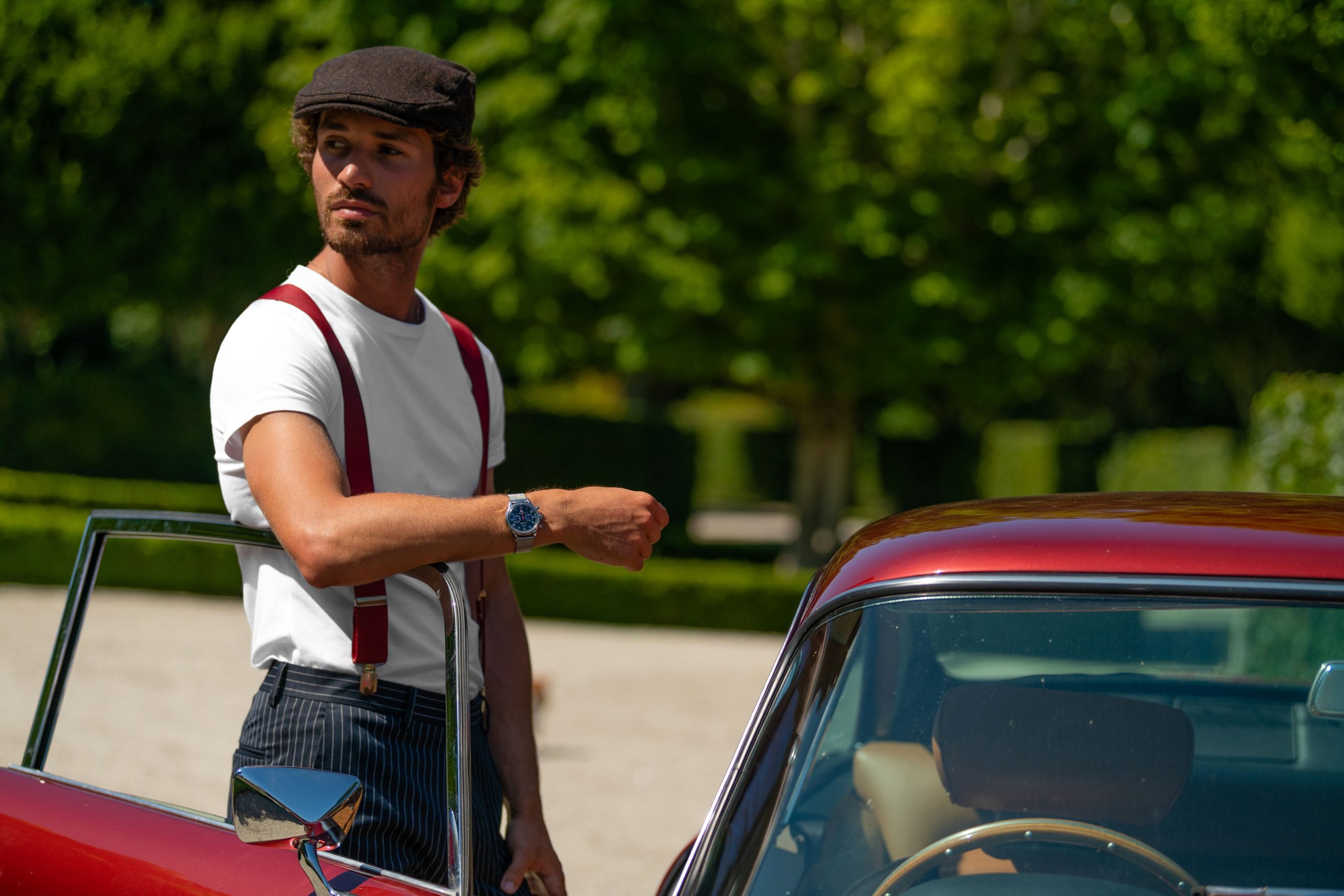
Luxury sports watches have transformed the manner in which individuals engage with day-to-day fashion. Customers are now seeking watches that can combine the reliability of a sports watch with the exquisite style of a traditional luxury watch. Piaget has not been left behind in this change with its Polo collection that combines unique styling, mechanical watchmaking, and highly polished materials.
Piaget Polo watches are appealing because they can be used in various environments. Their combined bracelet patterns, familiar dials, and harmonious proportions impart them a sportive nature without losing their links with fine watchmaking. The collection also includes a variety of choices for watch lovers, with classic date models and open-worked mechanical designs.
The History Behind the Piaget Polo Collection
The original Polo watch was launched in 1979 by Piaget. Developed at a time when luxury sports watches were starting to become popular, it was indicative of a fresh trend in the wearing of fine watches beyond the official realms.
The initial design was characterized by its integrated look, where the bracelet and the case were part of the same visual image. It was also differentiated by its unique horizontal lines, making it less like more traditional round dress watches.
The line has also changed over the years but has maintained its sportiness. Contemporary models have new designs in cases and mechanical movements, with more choices of material and dial style. This has made the Polo continue to be a significant component of the contemporary watch collection of Piaget.
What Makes Piaget Polo Watches Different?
Polo collection is unique in that it integrates the proportions of sports with sophisticated finishing. Its designs usually possess a bigger presence on the wrist, unlike conventional dress watches. Nevertheless, the detailing in the case, bracelet and dial makes the entire look advanced.
It has several characteristics in its identity:
Integrated bracelet design: The bracelet is seamlessly combined with the case to appear connected.
Unique dial designs: Selected models have horizontal or ornamental dial designs, which provide visual depth.
Mechanical movements: Automatic movements are common in many of the models, and this reflects the watchmaking experience of Piaget.
Material options: Stainless steel, gold, and other high-end materials have varying styles and prices.
Versatile appearance: The line consists of models that may be used with business clothes, business-casual outfits, and everyday wear.
These facts render the Polo appropriate to individuals who desire to have a luxury watch with a sports feel about it.
Piaget Polo Date Watch: A Practical Everyday Choice
The Piaget Polo Date watch suits customers who choose a balanced look and a helpful everyday complication. The date display is an addition that does not make the dial overly complex.
These models can have automatic movements, varying dial colours as well as stainless steel or precious-metal cases depending on the reference. Their built-in bracelets also help to create a comfortable and consistent look.
One watch that can be worn daily can be a good alternative that is a date model. It provides a blend of mechanical watchmaking and simple functionality with no extra visual complexity of a chronograph or a skeleton movement.
In the comparison of models, one should note the dimensions of cases, the way the bracelet is built, the design of the dial, and the characteristics of movements. Such facts may influence the comfort and the general appearance on the wrist.
Piaget Polo Skeleton: A Display of Mechanical Craftsmanship
The Piaget Polo Skeleton is a more technical watch design that allows its enthusiasts to appreciate the movement behind a watch. Its open dial also exposes a section of the mechanical movement, which enables the person wearing it to see the mechanisms that make the watch run.
Skeletonisation involves some delicate effort since material is taken away where there is a movement component in order to form an open effect without compromising the strength and functionality of the movement components. The rest of the bridges and buildings should be completed accurately.
The models of the Polo Skeleton incorporate this technical aspect with the sporty case and bracelet design of the collection. The outcome is a watch that gives mechanical craftsmanship the centre stage in terms of looks.
The style is especially recommended to collectors who like the details of the movement and desire a timepiece with a more significant visual presence. Nevertheless, the fact that it has an open dial might not attract purchasers who like simple and easy-to-read designs.
The Role of Materials and Finishing
The Polo collection has a significant level of materials in its identity. Stainless steel has a practical and versatile look, whereas gold models have a more traditional, luxurious feature. Other versions mix up various materials to achieve a contrast between the case, bezel, and bracelet.
Completion is also essential. It is possible to use polished and brushed surfaces in combination to emphasize the shape of the case and bracelet. This information might seem unobtrusive, yet it helps to give the watch the appearance it has in a variety of lighting situations.
The general character of each model is also determined by dial colours and textures. Customers will have the option of having ones that are a darker shade and those that are more pronounced.
Why Elegant Sports Luxury Continues to Appeal
The trend of sports-luxury watches is an indicator of a shift in the manner in which individuals wear and dress their watches. Numerous consumers do not desire to have a different watch every occasion. They instead seek designs that are capable of swapping between work life, social and daily life.
To cater to this preference, Piaget Polo watches combine the style of integrated bracelets and sophisticated construction. They are as strong visually as a sports watch but still possess the finish one would expect of a luxury brand.
They are also appealing due to their diversity. An open-worked version is a skeleton model of a date that provides a different experience than a basic date model because buyers are offered to choose a design that would portray their interests.
How to Choose the Right Piaget Polo Model
Always think about the way in which you will use a Polo watch before buying one. In case you are interested in a more everyday timepiece, a date model might be an appropriate place to begin. The skeleton versions can be compared, in case you are more interested in movement design than in a standard dial.
Others that should be considered are:
- Case size: The case size should fit your wrist and should be comfortable.
- Movement: Examine the calibre, power reserve and other technical details.
- Bracelet: Ensure it fits, has adjustment options and is comfortable.
- Material: Select steel, gold or other finishes available depending on your style and budget.
- Maintenance: Take into account maintenance needs and the availability of skilled watch repairers.
It is also reasonable to compare precise model references instead of just using the names of the collections since the specifications may vary across versions.
Conclusion
The Piaget Polo collection portrays the evolving relationship between sports styling and conventional luxury watchmaking. Its built-in bracelet appearance, finely finished, and mechanical movement make it unique in the market.
You like the practicality of a Piaget Polo Date watch or the engineering on display of a Piaget Polo Skeleton, the collection has various means of experiencing the beautiful sporting luxury. By comparing the design, movement, material and comfort of each individual model, you will be able to find a timepiece that fits your lifestyle.