
Why Edge and Corner Protection Matters More Than Most Businesses Realize
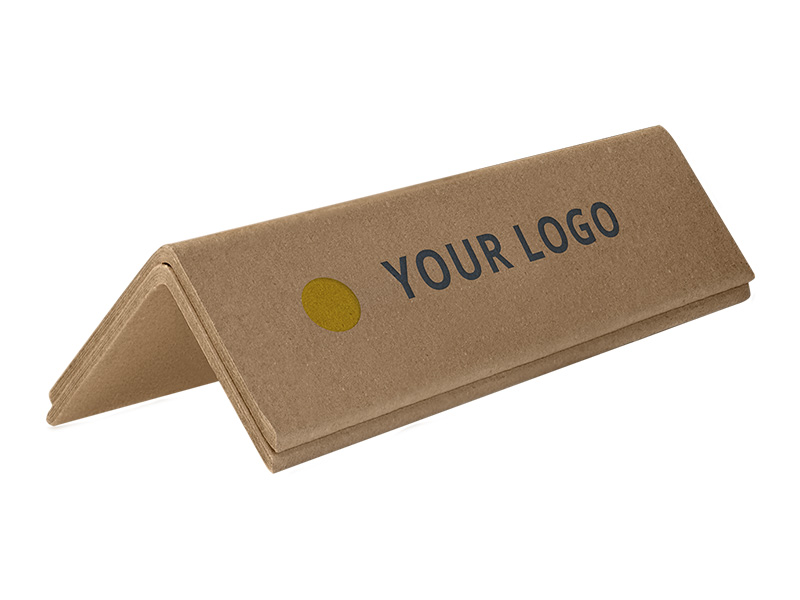
Packaging often gets attention for the boxes, tape, and labels that everyone can see. What many companies overlook is the role that protective materials play after a shipment leaves the warehouse. Products don’t usually become damaged because they were placed in the wrong box. Instead, they suffer from pressure, shifting loads, rough handling, and stacking during transportation. That is where OEM Materials edge protectors and corner protectors quietly do their job.
Whether a business ships furniture, electronics, appliances, construction materials, or palletized goods, protecting vulnerable edges can prevent expensive damage claims. Small dents or crushed corners may not seem like much at first, but they can make a product impossible to sell. Customers often judge quality before they even open the package. A damaged corner can create the impression that the entire product was handled carelessly.
Businesses that invest in proper packaging materials usually discover that preventing damage costs far less than replacing products after they arrive.
The Hidden Cost of Shipping Damage
Shipping damage affects more than replacement costs. Every damaged shipment creates additional work for customer service teams, warehouse employees, and transportation companies. Time gets spent processing claims instead of serving customers. Returns increase operating expenses and can even damage long-term relationships.
Many companies spend thousands of dollars every year replacing products that could have arrived safely with better packaging methods. Sometimes the difference between a successful shipment and a damaged one is simply adding quality corner protectors before wrapping the pallet.
Manufacturers have become much more aware of these hidden costs over the last several years. Instead of focusing only on the lowest packaging price, they are paying closer attention to the total cost of ownership. Spending slightly more on protective materials often saves significantly more money later.
How Edge Protection Works
When pressure is applied directly to the edge of a pallet or product, the force concentrates on a very small area. This pressure can crush cardboard boxes, dent metal products, crack wood panels, or damage finished surfaces.
Edge protectors spread that pressure across a wider surface area. Rather than allowing straps or wrapping materials to press into a single point, they distribute the load evenly. This simple design greatly reduces the chance of damage during shipping.
The same principle applies to stacking pallets in warehouses. Heavy loads placed on top of one another create enormous downward pressure. Reinforced edges help maintain the structural strength of the entire shipment, reducing the possibility of collapsed boxes.
It’s a simple solution, but one that works remarkably well.
Different Industries Have Different Needs
Not every shipment requires the same type of protection. Construction suppliers often ship long building materials with exposed edges that need extra reinforcement. Furniture manufacturers protect finished wood surfaces from scratches and dents. Glass manufacturers rely on specialized packaging methods that prevent cracking during transport.
Food distributors, automotive suppliers, appliance manufacturers, and even printing companies all use protective packaging differently.
OEM Materials understands these differences. Rather than recommending one product for every customer, experienced suppliers evaluate shipping methods, product weight, storage conditions, and transportation distances before suggesting the right materials.
That customized approach often produces better results than simply purchasing standard supplies from a catalog.
Pairing Protective Materials Together
Protective packaging works best when multiple materials work together instead of independently.
Many warehouses combine edge protectors with stretch film to create stable pallet loads that resist movement throughout transportation. The protective edges maintain the shape of the load while the film secures everything tightly together.
This combination helps prevent boxes from shifting during sudden stops or sharp turns made by delivery trucks. It also reduces movement caused by vibration during long-distance shipping.
Adding quality tape, proper pallet placement, and correct stacking techniques further improves shipment stability. No single packaging product can solve every problem, but together they create a much stronger shipping system.
Preventing Strap Damage
Plastic strapping and steel banding are commonly used to secure heavy loads. While these materials provide excellent holding strength, they can also damage the products beneath them.
Without protective corners, tight straps may dig directly into cardboard boxes or finished surfaces. This can crush packaging, scratch paint, or leave permanent indentations.
Installing corner protectors creates a barrier between the strap and the product. The pressure becomes evenly distributed instead of concentrated in one narrow location.
For expensive products, this extra layer of protection often prevents cosmetic damage that customers immediately notice upon delivery.
Improving Pallet Stability
Warehouse managers understand how important stable pallets are during storage and transportation. Even a small amount of shifting can cause boxes to lean or collapse.
Protective edges reinforce the outside structure of the pallet, making it more resistant to movement. Combined with quality stretch wrap, shipments remain tighter throughout loading, unloading, and transportation.
Forklift operators also appreciate stable loads because they are easier to move safely. Less movement means fewer accidents and fewer damaged products inside the warehouse.
Good pallet stability benefits everyone involved in the shipping process.
Sustainability Continues to Shape Packaging
Many businesses are looking for packaging solutions that reduce environmental impact without sacrificing protection.
Manufacturers now produce many protective materials using recycled paperboard and recyclable components. This allows companies to improve sustainability goals while maintaining shipping performance.
Reducing damaged shipments also contributes to environmental responsibility. Every product that arrives safely avoids unnecessary replacement manufacturing, additional transportation, and excess packaging waste.
It’s easy to overlook this benefit, but preventing waste is often one of the most effective sustainability strategies available.
Customers increasingly notice companies that make thoughtful packaging decisions. Small improvements can strengthen both environmental initiatives and brand reputation at the same time.
Choosing the Right Supplier
Finding the right materials starts with finding the right partner. A reliable packaging supplier does much more than process orders. They help identify packaging weaknesses, recommend improvements, and provide products that match real shipping conditions.
Experienced suppliers understand compression strength, transportation risks, warehouse environments, and industry regulations. They know that every business ships differently.
Some companies move lightweight consumer products across town, while others transport heavy industrial equipment across the country. Those differences matter when selecting packaging materials.
Working with knowledgeable professionals often leads to better protection and lower long-term costs.
Small Details Make a Big Difference
Some packaging improvements seem almost too simple to matter. Adding protective corners may only take a few extra seconds during pallet preparation, yet those few seconds can prevent hundreds or even thousands of dollars in damage.
Warehouse teams sometimes underestimate the value of these small details because problems don’t appear immediately. The shipment looks fine when it leaves the facility. Damage usually occurs hours or days later during transportation.
Businesses that consistently deliver products in excellent condition usually pay close attention to these details. They understand that packaging is part of the customer experience, even before the product itself is seen.
Thats why many successful companies regularly review their packaging methods instead of assuming their current process is good enough forever.
Looking Ahead
Shipping networks continue to become faster and more demanding every year. Products travel farther, warehouses process more orders, and customer expectations continue to rise. Packaging must keep pace with those changes.
Protective materials will remain an essential part of modern logistics because they solve problems before they happen. Strong packaging doesn’t simply protect products. It protects customer satisfaction, business reputation, and profitability.
As companies continue improving their operations, investing in reliable edge protection will remain one of the simplest and most effective ways to reduce shipping damage. Combined with quality packaging practices and dependable materials like stretch film and stretch wrap, businesses can create stronger shipments that arrive looking exactly as intended.
The best packaging solutions are often the ones customers never notice. When products arrive in perfect condition, protective materials have already done their job. While they may stay hidden beneath the wrapping, their value becomes obvious every time a shipment reaches its destination without a single damaged corner.